
Best Ceramide Serums & Creams for Barrier Repair (K-Beauty)


Ceramides are the lipid your skin barrier is literally built from, so when that barrier is damaged — tight, flaky, stinging — topping it back up is the most direct fix there is. The catch most “best ceramide serum” lists skip: ceramides work far better with a bit of cholesterol and fatty acids alongside them, and a lightweight serum usually needs a cream on top to seal the deal.
So this guide covers both. Below are the K-beauty ceramide serums and creams worth buying for a compromised barrier, plus a quick way to read a ceramide label so you can tell a real repair formula from a hopeful one.
Key takeaways
- The best single ceramide serum for a damaged barrier is the Anua 7 Rice Ceramide serum — fragrance-free, lightweight, and it layers under any moisturizer.
- Ceramides repair best with cholesterol and fatty acids. Researchers point to a roughly 3:1:1 ratio (ceramides : cholesterol : fatty acids) as ideal — which is why a well-built cream often out-repairs a serum alone.
- Serum or cream? Usually both. A serum or essence delivers a concentrated ceramide layer; a cream seals it in overnight. A damaged barrier wants the serum and the cream.
- Look for ceramide NP on the label — the most-studied, most reliable type — and keep it fragrance-free for reactive skin.
- These are one part of a routine: pair with a gentle cleanser and a ceramide cream to seal.
At a glance
| Award | Pick | Best for |
|---|---|---|
| Best Overall (serum) | Anua 7 Rice Ceramide Serum | A fragrance-free ceramide layer that suits everyone |
| Best for Layering | Haruharu Wonder Black Rice Essence | Building a fuller barrier routine |
| Best Ceramide Cream | Aestura Atobarrier 365 | Sealing in repair on dry, compromised skin |
| Best Budget | Illiyoon Ceramide Ato | Whole-family use, lowest cost per use |
| Best Splurge | Dr. Jart+ Ceramidin | Buying in-store at Sephora today |
| Best Lightweight | Round Lab 1025 Dokdo | Oily / combination but still sensitised skin |
What to look for in a ceramide product
A label test that separates real barrier repair from marketing:
- Ceramide NP (and ideally a multi-ceramide complex). Ceramide NP is the most-studied type; formulas listing several ceramides cover more of what skin actually uses.
- The lipid trio, not ceramides alone. Ceramides rebuild the barrier best alongside cholesterol and fatty acids — the ~3:1:1 ratio researchers cite — whereas humectants like glycerin only add water without rebuilding the wall.
- Fragrance-free if your skin is reactive, which a damaged barrier usually is.
- A serum to layer, a cream to seal. A serum delivers concentrated ceramides under your moisturizer; a richer cream locks them in overnight. The two together beat either alone.
The picks
Best Overall — the ceramide serum
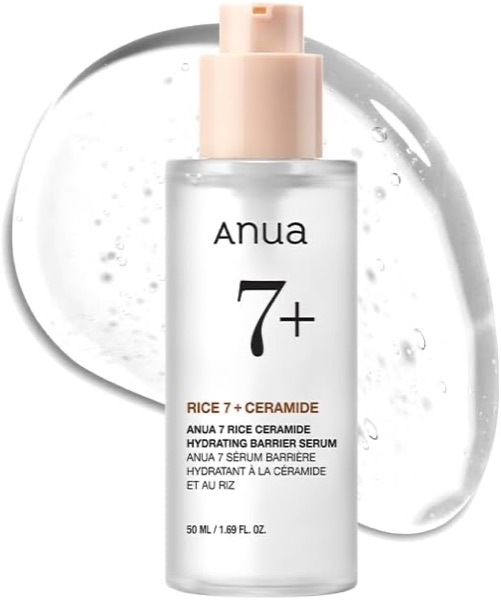 Best Overall (Serum)
 Anua 7 Rice Ceramide Hydrating Barrier Serum
The ceramide serum to start with. It’s fragrance-free, lightweight, and pairs ceramides with rice extract and panthenol for a hydrating, soothing layer that slots under any moisturizer. If you want a concentrated ceramide step without committing to a heavy cream, this is it.
Skip it if you’d rather have one rich do-it-all cream — go straight to the Aestura.
Best for Layering — the ceramide essence
Haruharu Wonder Black Rice Probiotics Barrier Essence
A milky essence built around a multi-ceramide and fatty-acid complex plus fermented probiotics — close to that ideal lipid trio in a lightweight, layer-friendly format. It’s the pick for anyone building a fuller barrier routine who wants hydration and lipids before the cream step.
Skip it if you prefer a minimal two-step routine.
Best Ceramide Cream — seals in repair
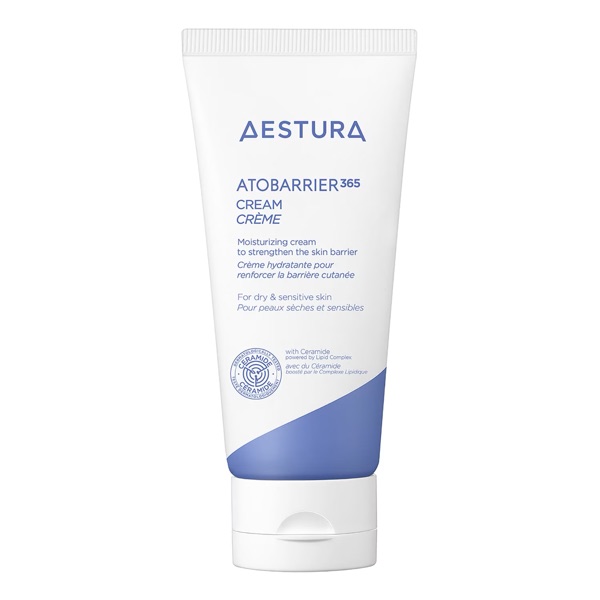 Best Ceramide Cream
 Aestura Atobarrier 365 Cream
This is where the real sealing-and-repairing happens. It delivers the full skin-lipid trio — ceramides, cholesterol and fatty acids — in a cushioning cream that’s still gentle enough for eczema- and rosacea-prone skin. If a serum isn’t cutting it on its own, this is the cream to put on top.
Skip it if you want something featherlight (see Round Lab).
Best Budget — ceramides for less
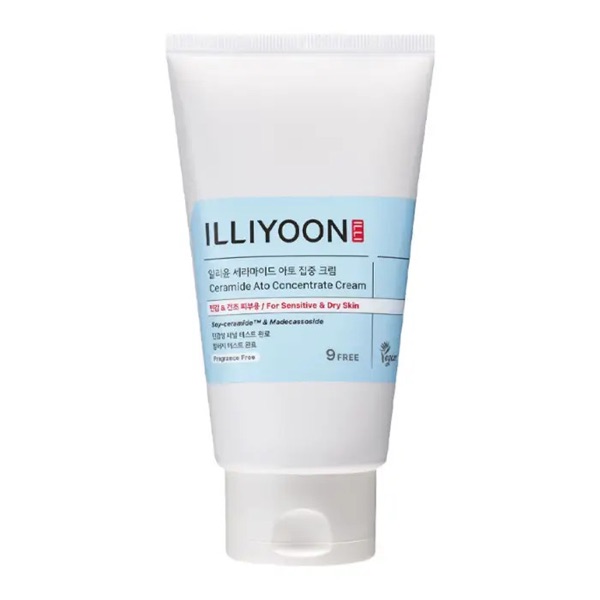 Best Budget
 Illiyoon Ceramide Ato Concentrate Cream
A lamellar ceramide cream in a generous tub, at a fraction of luxury prices. Its lipid complex mimics the skin’s own structure, and the size makes it cheap enough to use head-to-toe — the value pick for barrier repair.
Skip it if you want premium packaging or to buy from Sephora.
Best Splurge — available at Sephora
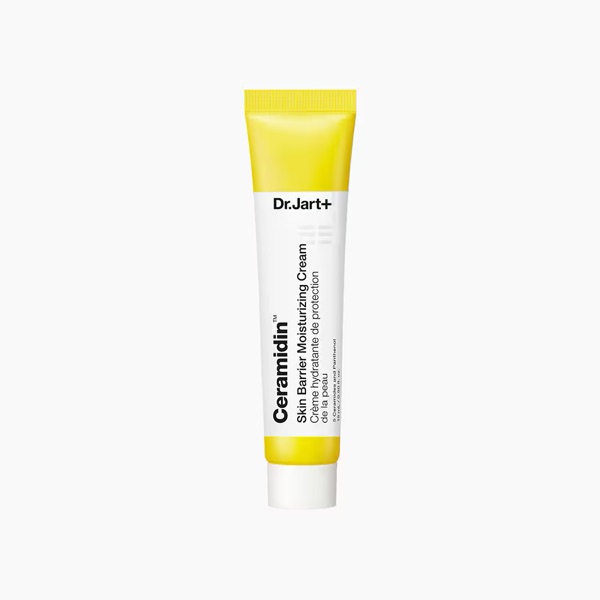 Best Splurge (at Sephora)
 Dr. Jart+ Ceramidin Skin Barrier Moisturizing Cream
A rich five-ceramide cream you can buy in-store today instead of waiting on a K-beauty shipment. You pay for the convenience and the plush texture, but if you want premium ceramides fast, it delivers.
Skip it if you’re price-sensitive — the Illiyoon follows similar logic for much less.
Best Lightweight — ceramides for oily/combination skin
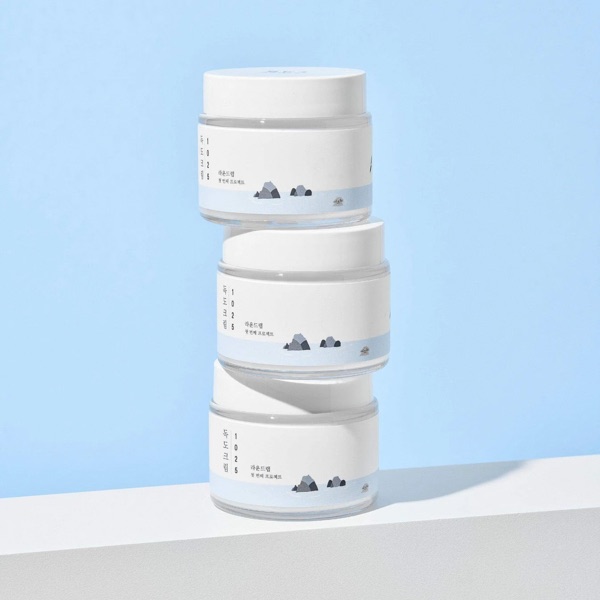 Best Lightweight
 Round Lab 1025 Dokdo Cream
Sensitised barriers aren’t only a dry-skin problem. This pairs ceramides with triple hyaluronic acid in a texture light enough for oily and combination skin, giving barrier support without the weight that makes richer creams pill or congest.
Skip it if your skin is very dry — it won’t be enough alone.
Ceramide serum or cream — which do you need?
Both do different jobs. A serum or essence delivers a concentrated, lightweight ceramide layer you apply after cleansing and before moisturizer — great for layering and for oily or combination skin. A cream provides the occlusion that locks those lipids in and repairs overnight — essential for dry, eczema-prone or badly compromised skin.
For a genuinely damaged barrier, the strongest move is to use both: a ceramide serum or essence (Anua or Haruharu) under a ceramide cream (Aestura, Illiyoon or Dr. Jart+) to seal it in. Oily skin can often get away with a serum plus a light cream like Round Lab; very dry skin should prioritise the richer cream.
How to choose
- Just adding ceramides for the first time → the Anua serum.
- Building a full barrier routine → Haruharu essence layered under the Aestura cream.
- On a budget or treating large areas → Illiyoon.
- Oily or combination but still tight and reactive → Round Lab, with the Anua serum underneath.
- Want it in your hands today → Dr. Jart+ Ceramidin at Sephora.
Ceramides are one step in a barrier routine. Cleanse with a gentle low-pH Korean cleanser, and for the full lineup of creams that seal everything in, see our guide to the best K-beauty barrier repair creams. Wondering how ceramides stack up against pure hydrators? See beta-glucan vs hyaluronic acid.
FAQ
Do ceramide serums actually repair a damaged barrier?
They help significantly, but with a caveat: ceramides work best alongside cholesterol and fatty acids, and a lightweight serum usually needs a cream on top to seal them in. A ceramide serum plus a ceramide cream repairs more effectively than a serum alone.
What’s the best type of ceramide to look for?
Ceramide NP is the most-studied and reliable, and multi-ceramide complexes are even better because skin uses several types. Most importantly, look for ceramides paired with cholesterol and fatty acids — the combination researchers link to faster barrier repair.
Ceramide serum or ceramide cream — which is better?
Neither alone is “best.” A serum delivers a concentrated, layer-friendly dose; a cream seals it in and repairs overnight. Oily skin may prefer a serum plus a light cream; dry or damaged skin needs the richer cream. Using both is ideal.
Can you use ceramides with niacinamide or retinol?
Yes — ceramides are very compatible, and they actually help buffer the irritation that actives like retinol can cause. Apply your active, then layer ceramides to support the barrier. If skin is actively flaring, pause the actives and just repair for a while.
Are Korean ceramide products better than CeraVe?
CeraVe is the ceramide benchmark and genuinely good. K-beauty ceramide products tend to add soothing actives and more elegant textures, which reactive skin often prefers. We break down the swaps in our Korean CeraVe dupes guide.
How do you layer a ceramide serum?
After cleansing and any toner, apply the ceramide serum or essence, then seal with a moisturizer — thinnest to thickest. On damp skin works best, and always finish with SPF in the morning.
The bottom line
Ceramides are the most direct barrier-repair ingredient there is, but the results come from how you use them: a fragrance-free ceramide serum (Anua) or essence (Haruharu) layered under a lipid-rich ceramide cream (Aestura) — serum to layer, cream to seal. Check the label for ceramide NP plus its cholesterol-and-fatty-acid supporting cast, and you’ve got a routine that genuinely rebuilds, not just hydrates.