
Chemical vs Mineral Sunscreen: Which Should You Use?

Chemical and mineral sunscreens both protect your skin well — the real differences are finish, feel, and who they suit, not whether they work. Mineral (physical) sits on the surface and can leave a white cast; chemical absorbs UV and finishes invisible. Korean sunscreens tend to feel better than Western ones for a specific reason: Korea allows more modern filters. Here’s how to choose between them without the myths.
Last verified: July 2026.
How each one works
Mineral (physical) sunscreens use zinc oxide and/or titanium dioxide. They sit largely on top of the skin and work mainly by absorbing and reflecting UV. They’re gentle and start working on application, but can leave a white or ashy cast, especially on deeper skin tones, and can feel heavier.
Chemical sunscreens use organic filters (like those in most Korean formulas) that absorb UV and convert it to a small amount of heat. They sink into a thin, transparent film — lightweight and invisible — which is why they dominate daily-wear and no-white-cast picks. Hybrid sunscreens combine both.
Crucially: both provide excellent broad-spectrum protection when they carry high ratings (SPF50+ PA++++). The “which protects better” debate is largely a myth — reapplication and using enough matter far more than filter type.
Chemical vs mineral at a glance
| Chemical (& hybrid) | Mineral (physical) | |
|---|---|---|
| Filters | Organic UV filters | Zinc oxide, titanium dioxide |
| Finish | Thin, transparent | Can leave white cast |
| Feel | Lightweight | Can feel heavier |
| Sensitive skin | Many gentle options | Often best tolerated |
| Deeper skin tones | Invisible | Cast can be an issue |
| Starts working | Best applied a bit before sun | On application |
Which should you use?
Choose mineral if your skin is reactive, rosacea-prone, very sensitive, post-procedure, or you simply prefer physical filters — zinc is gentle and less likely to sting.
Choose chemical or hybrid if you want a lightweight, invisible finish for daily wear, have a deeper skin tone and want no cast, or find mineral formulas too heavy or ashy.
AXIS-Y Complete No-Stress Physical Sunscreen V.3 SPF50+ PA++++
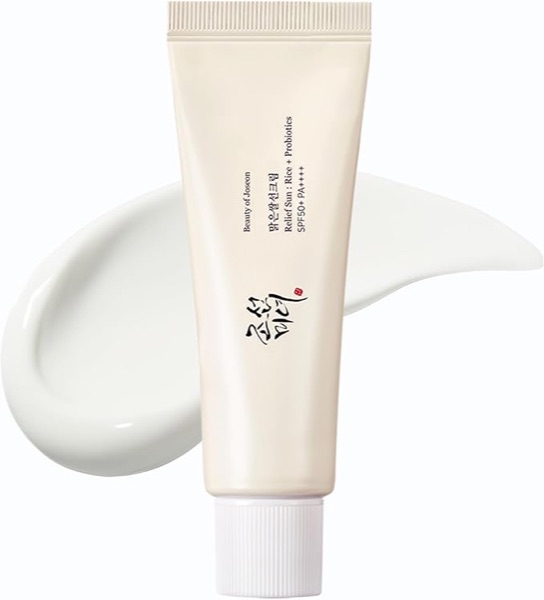 Best Chemical/Hybrid (Daily)
 Beauty of Joseon Relief Sun: Rice + Probiotics SPF50+ PA++++
Why Korean sunscreens feel better
This is the part worth knowing: Korea approves a wider range of modern UV filters than the US, where sunscreen is regulated as an OTC drug and the approved filter list is decades old. Those newer filters let Korean chemical and hybrid sunscreens hit high protection with lightweight, elegant, transparent finishes. It’s the main reason K-beauty SPF has such a devoted following — and why “sunscreen you’ll actually enjoy wearing” is usually Korean.
The rules that matter more than filter type
Whichever you choose, protection depends on habits, not chemistry:
- Use enough: about a quarter-teaspoon for the face (many people underapply and get a fraction of the labeled SPF).
- Reapply: every two hours with sun exposure, and after sweating or swimming.
- Don’t skip cloudy days: UVA passes through clouds and windows.
- Layer it last: sunscreen goes on after skincare, before makeup.
FAQ
What’s the difference between chemical and mineral sunscreen?
Mineral (physical) sunscreens use zinc oxide and/or titanium dioxide, which sit on the skin and largely reflect and absorb UV; they can leave a white cast. Chemical sunscreens use filters that absorb UV and convert it to heat, finishing thin and transparent. Both protect well — the main differences are finish, feel and who they suit.
Is chemical or mineral sunscreen better?
Neither is universally better. Mineral suits reactive, sensitive skin and is often recommended for babies and post-procedure skin, but can leave a cast. Chemical (and hybrid) formulas feel lighter and finish invisible, which is why they’re popular for daily wear and deeper skin tones. Choose based on your skin and preferences.
Is mineral sunscreen better for sensitive skin?
Often, yes — zinc oxide is gentle and less likely to sting or irritate, so mineral sunscreens are a common choice for reactive, rosacea-prone or post-procedure skin. That said, many gentle chemical and hybrid Korean formulas suit sensitive skin too. Patch-test either way and look for fragrance-free options.
Why do Korean sunscreens feel better than Western ones?
Korea approves a wider range of modern UV filters than the US, so Korean chemical and hybrid sunscreens can achieve high protection with lightweight, elegant, transparent finishes. US formulations are limited to older filters, which is why many people find Korean sunscreens more cosmetically pleasant.
Do chemical sunscreens need time to work?
Traditionally chemical sunscreens were advised to be applied about 15–20 minutes before sun exposure to absorb and form an even film, while mineral works on application. In practice, applying any sunscreen a little before heading out and reapplying every two hours is the reliable approach.
The bottom line
Chemical and mineral sunscreens both protect — choose mineral for reactive, sensitive skin and chemical or hybrid for a lightweight, invisible daily finish. Korean sunscreens tend to win on feel thanks to modern filters, so if you’ve hated sunscreen before, K-beauty SPF is worth trying. See the picks in no white cast, oily skin and dry skin.
This article is general information, not medical advice. For persistent skin concerns or post-procedure care, see a dermatologist. Sources: Korean sunscreen reviews and filter science (Lab Muffin Beauty Science), 17 best Korean sunscreens per dermatologists (CNN Underscored), and Best Korean sunscreens 2026, tested in Seoul (Minji in Seoul).