Korean vs Western Sunscreen: What's the Difference?

The main difference between Korean and Western sunscreens isn’t protection — it’s the filters, and therefore the feel. Korea approves a wider range of modern UV filters than the US, so Korean sunscreens achieve high protection with lightweight, transparent, elegant finishes that many Western formulas can’t match. Here’s the real story behind the hype: regulation, ratings, and how to choose.
Last verified: July 2026.
The core difference: UV filters
In the US, sunscreen is regulated as an over-the-counter drug, and the FDA’s list of approved UV filters hasn’t meaningfully expanded in decades. Korea (like the EU and much of Asia) regulates sunscreen as a cosmetic and approves newer, more advanced filters.
Those modern filters — with better UVA coverage and more elegant textures — are why Korean sunscreens can deliver high protection in a thin, invisible, comfortable formula. Western sunscreens, limited to older filters, more often feel heavy or leave a cast (which is also why Western brands lean on mineral formulas). It’s not that Western sunscreens don’t work; it’s that Korea has better tools for feel.
Protection and labels: SPF and PA
Korean sunscreens use a clear two-part rating:
- SPF measures UVB protection (burning rays). SPF50+ is the top common tier.
- PA measures UVA protection (aging/penetrating rays), shown as PA+ to PA++++, with more plus signs meaning more UVA defense.
So SPF50+ PA++++ means high UVB and the highest UVA protection — broad-spectrum and strong. Western labels say “broad spectrum SPF 50,” which bundles the same idea less granularly. Either way, a high-rated sunscreen from either system protects well.
Korean vs Western at a glance
| Korean sunscreen | Western (US) sunscreen | |
|---|---|---|
| Regulation | Cosmetic (Korea) | OTC drug (FDA) |
| Filter selection | Wider, more modern | Older, limited list |
| Typical finish | Lightweight, transparent | Heavier or mineral cast more common |
| Labeling | SPF + PA (UVA) | Broad spectrum SPF |
| Protection | Excellent at high ratings | Excellent at high ratings |
| Main edge | Cosmetic elegance | Familiar regulation, easy local buying |
Is Korean sunscreen “FDA approved”?
No — and that’s a regulatory distinction, not a safety verdict. Because the US treats sunscreen as a drug, imported Korean sunscreens aren’t FDA-reviewed; they meet Korea’s cosmetic standards instead. They’re legal to buy and use, widely loved, and formulated to high protection ratings. If FDA oversight specifically matters to you, that’s a reason to choose a US product — otherwise Korean sunscreens are a well-regarded daily option.
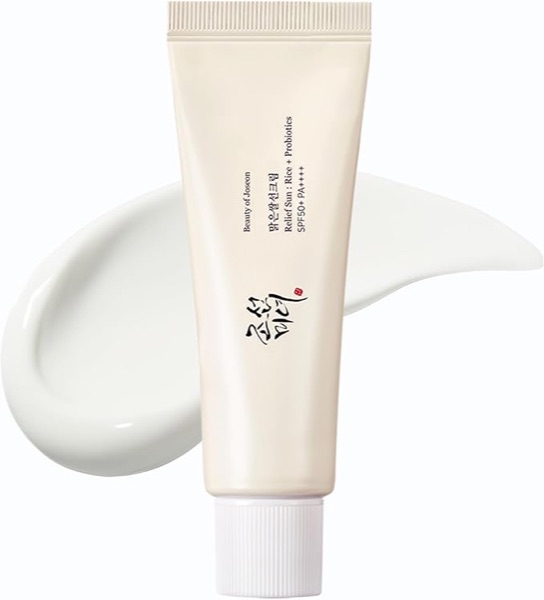 Best Cult K-Beauty SPF
 Beauty of Joseon Relief Sun: Rice + Probiotics SPF50+ PA++++
SKIN1004 Madagascar Centella Hyalu-Cica Water-Fit Sun Serum SPF50+ PA++++
So which should you use?
Choose Korean sunscreen if you want the lightest, most invisible daily feel and better UVA labeling — and, honestly, if a nicer texture means you’ll actually wear and reapply it (which is what protection really depends on).
Choose Western sunscreen if you specifically want FDA-regulated products, prefer mineral formulas, or want easy local availability and returns.
Either way, the rules that matter most are the same: use enough, reapply every two hours in the sun, and don’t skip cloudy days.
FAQ
Why is Korean sunscreen better than Western sunscreen?
Korea approves more modern UV filters than the US, so Korean sunscreens can hit high protection with lightweight, transparent, elegant finishes. Many people find them more pleasant to wear daily. “Better” is really about cosmetic feel and filter choice — Western mineral and newer EU-filter sunscreens also protect well.
Are Korean sunscreens FDA approved?
Korean sunscreens are regulated as cosmetics in Korea, not by the US FDA, which treats sunscreen as an OTC drug. That means imported Korean sunscreens aren’t FDA-reviewed, though they meet Korea’s standards and are widely used. They’re legal to buy and use; they’re just regulated under a different system.
What does PA++++ mean on Korean sunscreen?
PA rating measures UVA protection, with more plus signs meaning more UVA defense; PA++++ is the highest. SPF measures UVB. So SPF50+ PA++++ means high UVB and the highest UVA protection — a broad-spectrum, high-protection sunscreen. It’s a clear, useful labeling system Korea uses.
Can you use Korean sunscreen every day instead of Western?
Yes. A well-rated Korean SPF50+ PA++++ sunscreen is excellent for daily use, and many people switch precisely because the lighter feel makes them more likely to wear and reapply it. Use enough, reapply every two hours in the sun, and store it properly — the same rules apply to any sunscreen.
Do Korean sunscreens protect as well as Western ones?
Yes, when they carry high broad-spectrum ratings like SPF50+ PA++++. The protection difference between well-formulated Korean and Western sunscreens is minimal; the bigger factors are applying enough and reapplying. Korea’s advantage is cosmetic elegance from a wider filter selection, not dramatically higher protection.
The bottom line
Korean and Western sunscreens both protect well — Korea’s edge is modern filters that deliver high protection in a lighter, invisible, more wearable formula, thanks to cosmetic (not drug) regulation. If you’ve never liked wearing sunscreen, that cosmetic difference is exactly why K-beauty SPF is worth trying. See the picks in no white cast, oily skin and dry skin, and the filter breakdown in chemical vs mineral sunscreen.
This article is general information, not medical advice. For personalized sun-protection guidance, see a dermatologist. Sources: Korean sunscreen reviews and filter science (Lab Muffin Beauty Science), 17 best Korean sunscreens per dermatologists (CNN Underscored), and Best Korean sunscreens 2026, tested in Seoul (Minji in Seoul).