What Is Fungal Acne? Causes, Signs and a Safe Routine
Fungal acne is not really acne. Its proper name is Malassezia (or Pityrosporum) folliculitis, and it’s caused by an overgrowth of a yeast that naturally lives on almost everyone’s skin — not by the bacteria, oil and dead skin behind regular acne. That distinction matters, because normal acne products often don’t help and can make it worse. Here’s how to recognise it, what triggers it, how it’s treated, and the fungal-acne-safe routine that keeps it calm.
This is general information, not medical advice. Fungal acne is a medical condition; for a diagnosis and treatment plan, see a dermatologist — especially if it’s persistent or widespread.
What fungal acne actually is
Malassezia is a yeast that lives in the hair follicles of about 90% of people, usually harmlessly. When it overgrows — often when follicles are blocked or irritated, or conditions favour the yeast — it inflames the follicles and produces the small bumps people call “fungal acne.” Because it’s a yeast (fungus), it responds to antifungals, not to the benzoyl peroxide or salicylic acid that target bacterial acne.
Fungal acne vs regular acne
| Fungal acne (Malassezia folliculitis) | Regular (bacterial) acne | |
|---|---|---|
| Bumps | Small, uniform, in clusters | Varied — blackheads, whiteheads, cysts |
| Itch | Often itchy (~80% of cases) | Usually not itchy |
| Where | Forehead, hairline, chest, back, shoulders | Face (often cheeks, jaw, T-zone) |
| Responds to | Antifungals | Acne actives (BPO, retinoids, BHA) |
| Clue | Doesn’t improve — or worsens — with acne products | Improves with acne treatment |
If your “acne” is itchy, uniform, clustered and stubbornly unresponsive to acne products, fungal acne is worth investigating with a professional.
What causes and triggers it
The yeast overgrows when conditions suit it:
- Heat, humidity and sweat (it’s more common in hot climates and after workouts).
- Occlusion — heavy, non-breathable products or clothing trapping sweat.
- Antibiotics — killing skin bacteria can let the yeast take over.
- Feeding it — and this is the skincare part: Malassezia eats specific lipids, so oily, ester-rich and fermented products act like a buffet.
The skincare angle: starve the yeast
You can’t out-skincare a true infection, but you can stop fuelling it. A fungal-acne-safe routine avoids the ingredients the yeast feeds on:
Avoid: most plant oils; fatty acids (C11–C24, e.g. oleic, stearic, lauric); esters (often “-ate”, e.g. isopropyl palmitate); polysorbates (20/40/60/80); fatty alcohols (cetyl, stearyl, cetearyl); and many fermented ingredients (galactomyces, some saccharomyces).
Safe to use: glycerin, hyaluronic acid, beta-glucan, panthenol, niacinamide, allantoin, snail secretion filtrate, heartleaf, squalane, urea — plus the actives that fight it (zinc pyrithione, ketoconazole, sometimes BHA). When unsure, paste the full ingredient list into a checker like SkinSort’s fungal-acne checker.
A simple FA-safe routine looks like: gentle low-pH cleanse → a soothing, Malassezia-safe toner → a humectant serum → (the tricky step) a light, FA-safe moisturizer → a checked sunscreen. A few safe picks to build around:
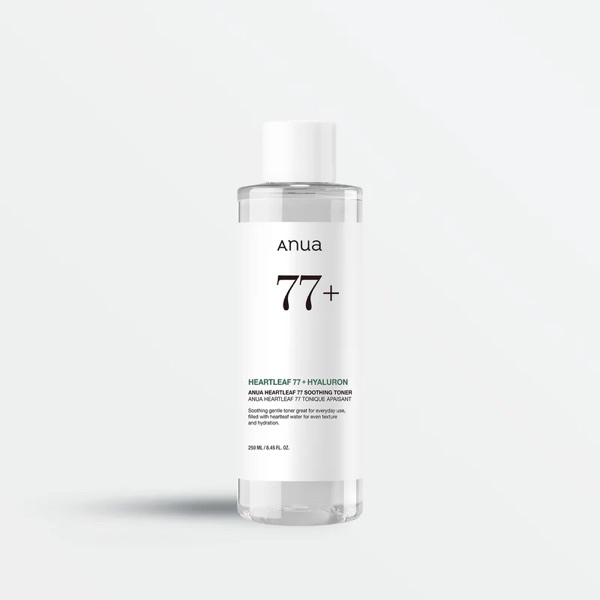 Soothing (FA-safe)
 Anua Heartleaf 77% Soothing Toner
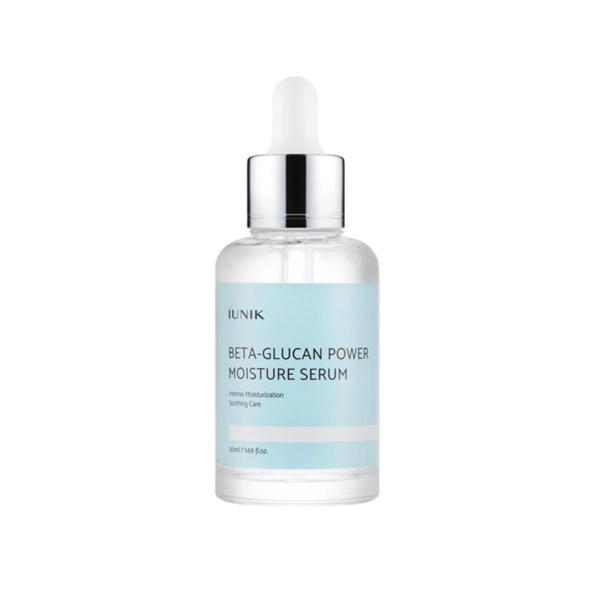 Hydration (FA-safe)
 iUNIK Beta Glucan Power Moisture Serum
For a full set of verified picks (and the popular products to skip), see our best fungal-acne-safe K-beauty ranking.
How it’s treated
Skincare manages and prevents; antifungals clear it. Dermatologists typically use:
- Topical antifungals — washes or creams with zinc pyrithione, ketoconazole or selenium sulfide for milder cases (often used as a short-contact “mask” then rinsed).
- Oral antifungals — e.g. fluconazole or itraconazole — for stubborn or widespread cases, prescribed by a doctor.
Because it tends to recur, many people keep an antifungal wash and an FA-safe routine going as prevention. If you’re not sure whether it’s fungal acne, or it isn’t clearing, see a dermatologist — self-treating the wrong condition wastes time and can worsen skin.
FAQ
How do I know if I have fungal acne or regular acne?
Fungal acne shows up as small, uniform, often itchy bumps in clusters — typically on the forehead, hairline, chest and back — and doesn’t respond to (or gets worse with) normal acne products. Regular acne has varied lesions (blackheads, whiteheads, cysts) and usually isn’t itchy. A dermatologist can confirm it.
What ingredients trigger fungal acne?
Malassezia feeds on most plant oils, fatty acids (C11–C24), esters (often ending in -ate), polysorbates, fatty alcohols (cetyl/stearyl/cetearyl) and some fermented ingredients. Humectants like glycerin, hyaluronic acid, beta-glucan, panthenol and niacinamide are safe.
How is fungal acne treated?
With antifungals — topical washes (zinc pyrithione, ketoconazole, selenium sulfide) for milder cases, and oral antifungals (e.g. fluconazole, itraconazole) prescribed by a doctor for stubborn ones. Fungal-acne-safe skincare supports treatment by not feeding the yeast.
Can skincare alone cure fungal acne?
Usually not on its own. A fungal-acne-safe routine helps manage and prevent flares, but clearing an active case typically needs an antifungal. See a dermatologist if it’s persistent or widespread.
How long does fungal acne take to clear?
With the right antifungal treatment, many people see improvement within a few weeks, but it commonly recurs without ongoing prevention (a safe routine, managing sweat and humidity). Timelines vary — a dermatologist can set expectations for your case.
The bottom line
Fungal acne is a yeast condition, not bacterial acne — so it needs antifungals and a routine that doesn’t feed Malassezia, not stronger acne products. Learn the trigger ingredients, hydrate with safe humectants, and see a dermatologist for persistent cases. To shop the safe routine, see best fungal-acne-safe K-beauty.