
The Fragrance-Free Korean Skincare Routine for Sensitive Skin


Korean skincare has a reputation for ten-step routines — which is the opposite of what sensitive, reactive skin needs. The version that actually works for a fragile barrier is short, fragrance-free and barrier-first: clean gently, hydrate, repair, moisturize, protect. Five steps, no irritants, done consistently.
This is that routine, with a gentle pick for every step and clear guidance on how to build up to it without overwhelming your skin.
Key takeaways
- Sensitive skin needs fewer steps, not more. A disciplined 5-step, barrier-first routine beats the marketing-driven 10-step every time.
- Fragrance-free is non-negotiable. Fragrance and essential oils are among the most common triggers for reactive skin.
- The three non-negotiables are gentle cleanse, barrier moisturizer, and daily SPF. Everything else is a helpful add-on.
- Introduce one product at a time and patch-test — that’s how you find what works without flare-ups.
- Order of application is always thinnest to thickest: cleanse → toner → serum → moisturizer → SPF.
The routine at a glance
| Step | Morning | Evening |
|---|---|---|
| 1. Cleanse | Low-pH gel (or just water) | Oil cleanse, then low-pH gel |
| 2. Hydrate | Soothing toner | Soothing toner |
| 3. Treat | Barrier serum (optional) | Barrier serum |
| 4. Moisturize | Barrier cream | Barrier cream |
| 5. Protect | SPF — non-negotiable | — |
Step 1 — Cleanse (gently)
Use a low-pH cleanser so you’re not stripping the barrier twice a day. In the morning, a quick low-pH gel — or just lukewarm water — is plenty. In the evening, if you’ve worn SPF or makeup, start with an oil cleanser to melt it off, then follow with the gel.
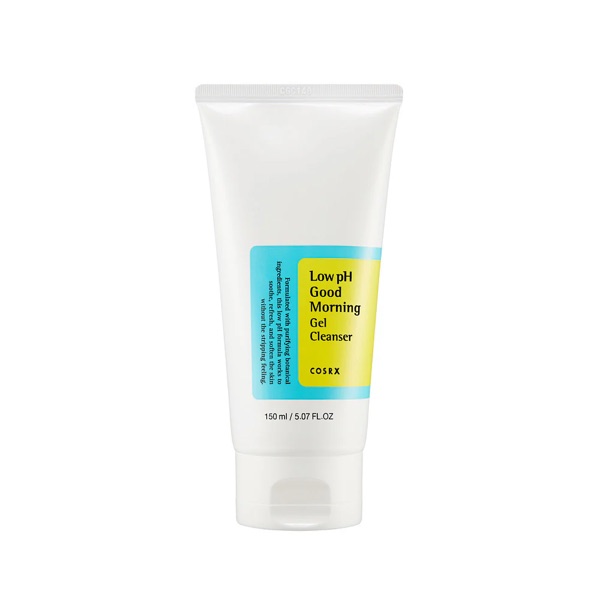 Step 1 · Daily Cleanse
 COSRX Low pH Good Morning Gel Cleanser
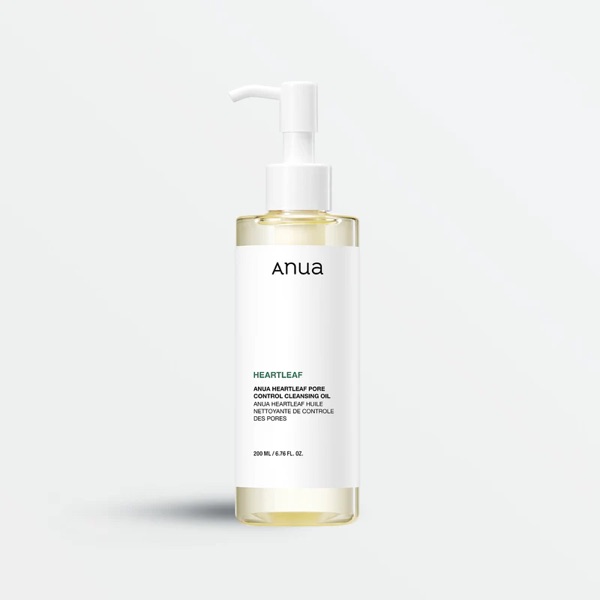 Step 1 · PM First Cleanse
 Anua Heartleaf Pore Control Cleansing Oil
See the full lineup in our best gentle Korean cleansers guide.
Step 2 — Hydrate with a soothing toner
Skip the astringent, alcohol-based toners of the past. A fragrance-free, alcohol-free soothing toner adds a first layer of calm hydration on damp skin and preps it for everything that follows.
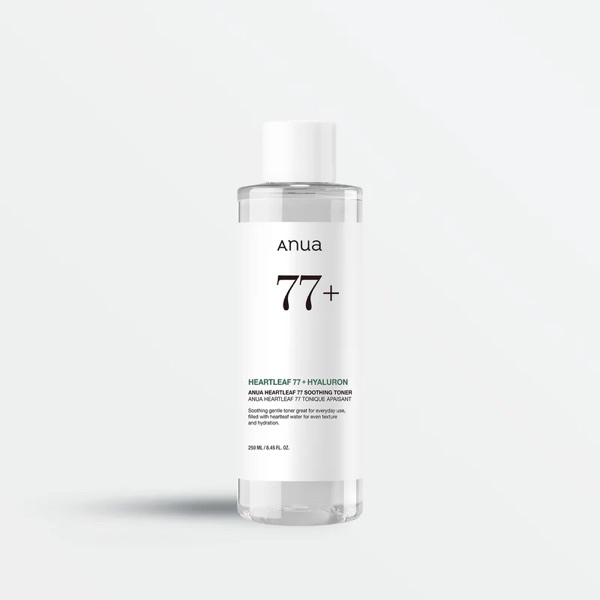 Step 2 · Hydrate
 Anua Heartleaf 77% Soothing Toner
Step 3 — Treat with a barrier serum
This is your optional-but-powerful step: a lightweight serum that delivers concentrated repair before your cream. For a compromised barrier, a ceramide serum is the most direct choice; if your skin leans dry and dull, a hydrating beta-glucan serum is a great alternative.
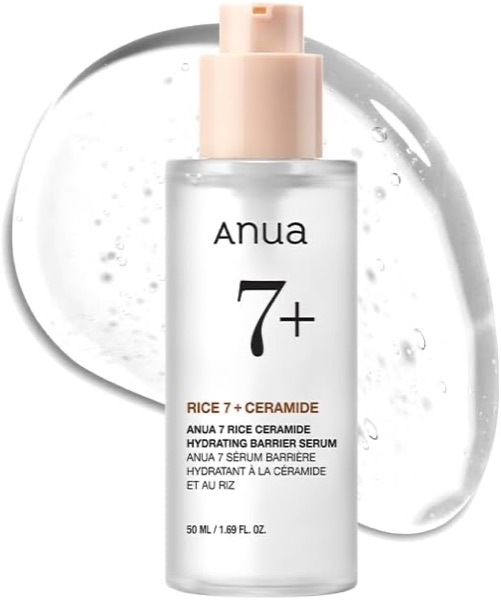 Step 3 · Treat
 Anua 7 Rice Ceramide Hydrating Barrier Serum
More options — and how to choose — in our best ceramide serums ranking and our beta-glucan vs hyaluronic acid breakdown.
Step 4 — Moisturize to seal the barrier
The cream is what locks in everything above and rebuilds the barrier overnight. For reactive skin, a fragrance-free, minimalist formula with panthenol and madecassoside is the safest bet; for very dry skin, reach for a richer ceramide cream.
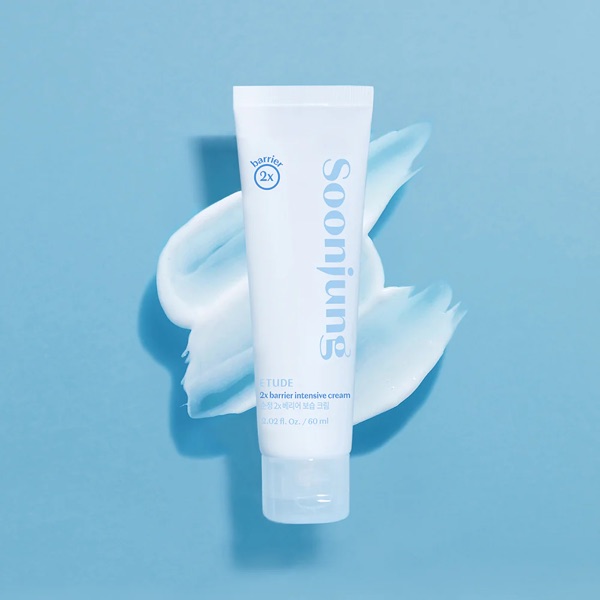 Step 4 · Moisturize
 Etude SoonJung 2x Barrier Intensive Cream
The full set of creams, including richer and budget options, is in our best K-beauty barrier repair creams guide.
Step 5 — Protect with SPF (mornings)
Sunscreen is the single most important anti-aging and barrier-protecting step, every day of the year. The good news: K-beauty makes fragrance-free SPFs that feel like light moisturizers rather than greasy sunblock.
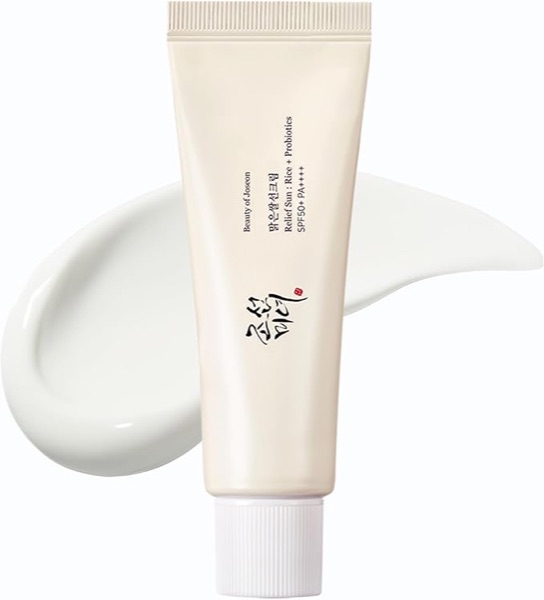 Step 5 · Everyday SPF
 Beauty of Joseon Relief Sun: Rice + Probiotics SPF50+ PA++++
Purito Daily Soft Touch Sunscreen SPF50+ PA++++
Both are fragrance-free. If you specifically want a pure mineral (zinc-based) filter — sometimes preferred for the most reactive or rosacea-prone skin — look for one labelled 100% mineral, though most K-beauty SPFs use gentle chemical filters.
Start simple, then build up
The fastest way to irritate sensitive skin is to start all five steps, with new products, on the same day. Instead:
- Begin with the three non-negotiables: a gentle low-pH cleanse, a barrier moisturizer, and daily SPF. Run that for one to two weeks.
- Add the soothing toner once skin is calm.
- Add the barrier serum last, when the basics feel stable.
- Introduce one new product at a time, and patch-test it on your inner arm or jaw for a few days before putting it all over your face.
If something stings or flares, drop back to the three basics until skin settles.
What to avoid for a sensitive barrier
- Fragrance and essential oils — the most common avoidable irritants.
- Denatured / SD alcohol high in the ingredient list.
- High-pH, foaming “squeaky-clean” cleansers that strip the barrier.
- Physical scrubs and stacking actives (retinol + acids + vitamin C at once).
- The 10-step routine — more products mean more chances to react.
How to adapt it to your skin
- Oily or combination sensitive skin → lighter textures: a gel cleanser, a light cream, a dewy SPF; you can often skip the serum.
- Dry or very reactive skin → richer layers: an oil cleanse at night, a ceramide serum, and a heavier barrier cream.
- Redness-prone skin → lean on centella and panthenol at the toner and treat steps; see our cica and centella creams guide.
FAQ
How many steps does a sensitive-skin routine really need?
Three at minimum — a gentle cleanse, a barrier moisturizer, and SPF — and five for a complete barrier-first routine. The 10-step routine is unnecessary and risky for reactive skin; more products mean more chances to irritate.
Is Korean skincare good for sensitive skin?
Yes, as long as you skip the fragranced products and the 10-step protocol and commit to a barrier-first approach. K-beauty’s gentle, ceramide- and centella-based formulas are very well suited to sensitive, compromised skin.
Fragrance-free vs unscented — what’s the difference?
“Unscented” can still contain a masking fragrance, while “fragrance-free” means no added scent. For reactive skin, check the ingredient list for “fragrance/parfum” rather than trusting the front-of-pack wording.
What order do you apply Korean skincare?
Thinnest to thickest: cleanse, then toner, then serum, then moisturizer, and SPF last in the morning. Let each layer absorb for a moment before the next.
Can sensitive skin handle the full 10-step routine?
Usually not — it’s too many actives and textures for a fragile barrier. A focused 5-step routine delivers better results with far less risk of flare-ups.
What’s different between the morning and evening routine?
Mornings end with SPF and can be lighter (even a water-only cleanse). Evenings add the oil cleanse to remove SPF and makeup, and are the best time for your richest repair step.
The bottom line
For sensitive skin, the best Korean routine is the disciplined opposite of the 10-step cliché: cleanse gently, hydrate, repair, moisturize, and protect — all fragrance-free. Start with the three non-negotiables, add the rest one product at a time, and let consistency, not complexity, do the work.