
What Is Centella (Cica)? Benefits for Sensitive Skin


Centella asiatica — “cica” in K-beauty shorthand — is skincare’s go-to soothing plant. It calms irritation, helps fade the look of redness and supports skin repair, thanks to a handful of well-studied active compounds. It’s the ingredient reactive, sensitive and post-procedure skin reaches for. Here’s what it actually is, the actives that do the work, who it suits, and how to use it.
Last verified: June 2026. Formulas change — we re-check periodically against the current INCI.
What centella is
Centella asiatica is a herb (also called gotu kola) with a long history in traditional medicine for soothing and supporting the skin. In modern skincare it shows up as the extract, or as its isolated active compounds, in everything from toners to creams.
The name confusion is simple: “centella” is the plant; “cica” is the marketing nickname. The “cica” tag took off in K-beauty (echoing centella’s traditional skin-soothing reputation), so any product labelled “cica” is built around centella or its actives. They’re the same story.
The actives behind cica (the key bit)
Centella’s reputation rests on four well-studied compounds. You’ll often see them named individually on ingredient lists, or bundled as TECA (titrated extract of Centella asiatica) or “centella derivatives”:
| Active | What it’s known for |
|---|---|
| Madecassoside | The most-used cica active — soothing, supports repair |
| Asiaticoside | Soothing; linked to supporting skin recovery |
| Madecassic acid | Part of the calming, barrier-supporting fraction |
| Asiatic acid | Part of the calming, barrier-supporting fraction |
A product can use the whole extract (gentle, broad) or concentrate specific actives like madecassoside (more targeted soothing). Neither is automatically “better” — concentrated derivatives can feel more focused on redness, while full-extract formulas are simple and well-rounded.
What centella does for skin
The dependable, evidence-backed benefits:
- Soothing: it calms irritation and stinging — its signature job.
- Reduces the look of redness: a favourite for flushing-prone and reactive skin.
- Supports repair and hydration: it helps comfort and support a stressed barrier.
The honest framing: centella is a calm-and-comfort ingredient. It’s well-supported for soothing, but it’s not an acne treatment, not a retinol, and not a barrier-lipid like ceramides — it eases redness and irritation rather than exfoliating, treating breakouts or rebuilding the lipid matrix. For redness that’s persistent or could be rosacea, this isn’t medical advice — see a dermatologist.
Who it’s for
Great for: sensitive and reactive skin; redness- and flushing-prone skin; skin recovering from strong actives, over-exfoliation or in-clinic procedures; and anyone who wants a gentle daily “calming” step.
Pairs well with acne routines: cica isn’t an acne treatment, but it soothes the irritation, redness and stinging that exfoliating acids, BPO and retinoids can cause — so it’s a common buffer alongside them.
Who can skip it: if your skin never flushes or reacts and your barrier is comfortable, cica is a nice-to-have rather than a need. It’s low-risk, so there’s little downside to trying it.
How to use centella (cica)
- Format: cica comes as toners, serums and creams. A cica cream can be your moisturizer; a lighter gel-cream layers well under SPF; a serum or toner adds a soothing step earlier in the routine.
- When: morning and/or night. It’s gentle enough for daily use, including when skin is flaring.
- As a buffer: apply after actives to take the edge off irritation, or use it solo as a simple “reset” routine when skin is angry.
- Consistency: soothing is felt fairly quickly, but lasting calm comes from regular use.
Cica products worth knowing
Three well-formulated cica options across rich, light and minimal:
SKIN1004 Madagascar Centella Probio-Cica Enrich Cream
 Best for Redness (Light)
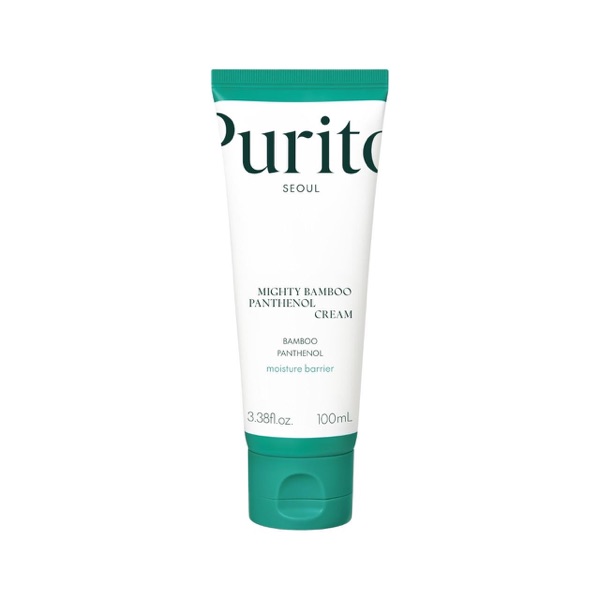
 Purito Seoul Mighty Bamboo Panthenol Cream
 Most Minimal
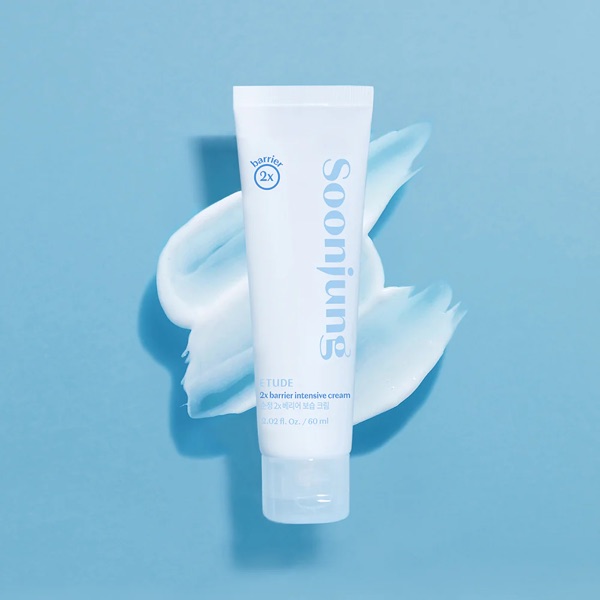
 Etude SoonJung 2x Barrier Intensive Cream
SKIN1004 Probio-Cica Enrich Cream pairs fermented centella and its actives (madecassic acid, asiaticoside) with ceramide NP and shea — a rich pick for dry, reactive skin. Purito Mighty Bamboo is a cooling gel-cream with centella (madecassoside, asiaticoside) plus 10% panthenol, aimed at redness on combination skin. Etude SoonJung 2x Barrier keeps it minimal — just madecassoside and panthenol — for very reactive skin. For the full line-up, see best cica & centella creams and best Korean barrier creams.
FAQ
What does centella (cica) do for your skin?
Centella soothes irritation, helps calm the look of redness and supports skin repair and hydration. Its plant compounds make it one of the most reliable “calming” ingredients in skincare, which is why it’s a staple for sensitive, reactive and post-procedure skin.
What’s the difference between centella and cica?
They’re the same thing. “Centella” is the plant (Centella asiatica), and “cica” is the popular K-beauty nickname — short for cica (from the plant’s traditional wound-soothing reputation). A product labelled “cica” is built around centella or its actives.
What are madecassoside and asiaticoside?
They’re the key active compounds extracted from centella. Madecassoside and asiaticoside (plus madecassic and asiatic acid) are the soothing, repair-supporting fractions — sometimes concentrated and labelled TECA or “centella derivatives” — that do much of centella’s calming work.
Is centella good for sensitive or acne-prone skin?
Yes. Centella is gentle, well-tolerated and soothing, which suits sensitive, reactive and redness-prone skin, and it pairs well with acne routines because it calms irritation. It isn’t an acne treatment itself, but it eases the redness and stinging that actives can cause.
How do you use centella (cica) products?
Use a cica toner, serum or cream after cleansing, as your soothing or moisturizing step, morning and night. A cica cream can be your moisturizer; a lighter gel-cream layers well under SPF. It’s gentle enough for daily use, including when skin is flaring.
The bottom line
Centella (cica) is the most reliable soothing ingredient in K-beauty — brilliant for redness, reactivity and recovery, gentle enough for daily use, and a perfect buffer alongside actives. Set expectations honestly: it calms and comforts rather than treating acne or rebuilding lipids. Match the format to your skin (rich cream, light gel-cream or minimal cica), and start with the best cica & centella creams.
Related
- Best Cica / Centella Creams for Redness & Reactive Skin
- Best K-Beauty Barrier Repair Creams for Sensitive Skin
- What Is Panthenol (Vitamin B5) in Skincare?
- What Are Ceramides? How They Repair the Skin Barrier