
What Are Ceramides? How They Repair the Skin Barrier


Ceramides are the lipids that hold your skin barrier together — they make up around half of the “mortar” between your skin cells, and when they run low, skin gets dry, tight, flaky and reactive. Topical ceramides help refill that mortar and seal a leaking barrier. But they work best as part of a trio with cholesterol and fatty acids, and picking a complete cream matters more than chasing a single ceramide type. Here’s how they work, who needs them, and how to use them.
Last verified: June 2026. Formulas change — we re-check periodically against the current INCI.
What ceramides are
Your outermost skin — the stratum corneum — is often described as a “brick wall”: skin cells are the bricks, and a matrix of lipids is the mortar holding them in place. Ceramides are the single biggest part of that mortar, making up roughly 50% of barrier lipids by mass. They sit in organised layers (a lamellar structure) that keep water in and irritants out.
When ceramide levels drop — through age, harsh cleansers, over-exfoliation, cold weather or conditions like eczema — the mortar thins, the wall leaks (higher water loss), and skin turns dry, tight, sensitive and prone to flaring. Topical ceramides are simply those same lipids, added back to help patch the wall.
The ceramide-cholesterol-fatty-acid trio (the key bit)
Here’s what most “ceramide” marketing skips: ceramides don’t work alone. The skin barrier is built from three lipids together — ceramides, cholesterol and free fatty acids — and they need to be present together to rebuild it properly.
| Lipid | Role in the barrier |
|---|---|
| Ceramides | The dominant structural lipid (~50%); form the lamellar layers |
| Cholesterol | Adds flexibility and fluidity to the lipid matrix |
| Free fatty acids | Help organise and stabilise the layers |
Research points to an ideal ratio of roughly 3:1:1 (ceramides : cholesterol : fatty acids) — the proportions that best mirror skin’s own lipid matrix and speed barrier recovery. The important, often-overlooked finding: applying just one of these lipids (or only two) can actually delay barrier repair rather than help it. That’s why the most effective barrier creams supply all three.
You don’t need to do the maths. The practical takeaway is simple: choose a cream that lists ceramides plus cholesterol and fatty acids, not ceramides on their own.
What topical ceramides do
Three dependable, evidence-backed jobs:
- Reduce water loss: they help reseal the barrier, so skin holds moisture and feels less tight and dry.
- Calm sensitivity: a stronger barrier reacts less, which helps sensitive, eczema- and rosacea-prone skin.
- Support recovery: they’re the go-to for skin irritated by retinoids, acids or over-cleansing.
Be honest about what they’re not: ceramides aren’t an “active” treatment. They won’t exfoliate, fade dark spots or work like a retinol. They repair and protect — quietly, over weeks, not overnight. This isn’t medical advice; for diagnosed eczema or persistent barrier problems, see a dermatologist.
The types: ceramide NP, AP, EOP
Skin contains many ceramide subtypes, and you’ll see a few of them on ingredient lists, named with letter codes:
- Ceramide NP (formerly ceramide 3) — the most common in skincare.
- Ceramide AP (formerly ceramide 6 II).
- Ceramide EOP (formerly ceramide 1).
Don’t overthink the letters. A formula with multiple ceramides isn’t automatically “better” than one well-formulated ceramide — and the bigger lever is whether cholesterol and fatty acids are in there too. For more on how ceramides sit in a barrier routine, see our ceramide serums and creams guide.
Who needs ceramides
Great for: dry, dehydrated and flaky skin; sensitive, eczema- or rosacea-prone skin; a compromised barrier (tight, stinging, reactive); and anyone recovering from strong actives or over-exfoliation.
Also fine for oily skin: ceramides are lightweight as molecules — oily and combination skin can use them in a lighter gel-cream or essence rather than a rich tub.
Who can skip a dedicated ceramide cream: if your barrier is healthy and comfortable, a basic moisturizer is enough — ceramides are most valuable when the barrier is struggling.
How to use ceramides
- Where in the routine: ceramides usually live in your moisturizer (or a barrier essence/serum), applied after lighter hydrating layers and before sunscreen.
- When: morning and/or night. A ceramide cream is a great last “sealing” step.
- Pairing: they pair safely with almost everything, and are especially useful alongside actives — apply your retinoid or acid, then buffer and protect with a ceramide cream.
- Consistency: barrier repair is gradual. Give it a few weeks of daily use.
K-beauty (and one Western classic) ceramide creams worth knowing
These three show the trio done well at three price points:
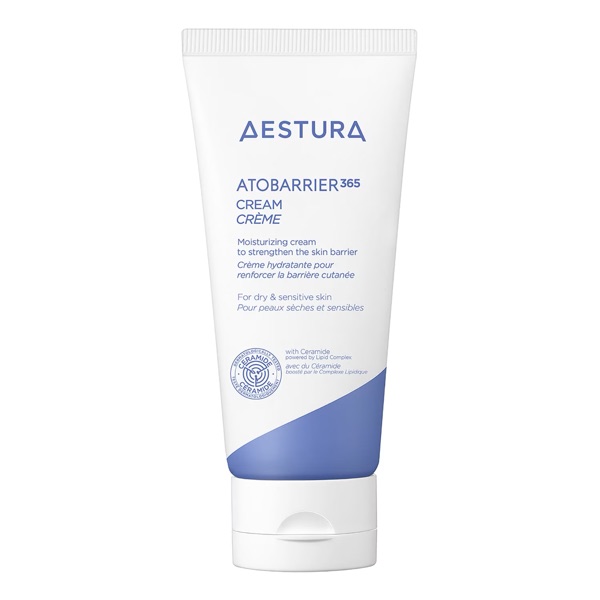 Most Complete
 Aestura Atobarrier 365 Cream
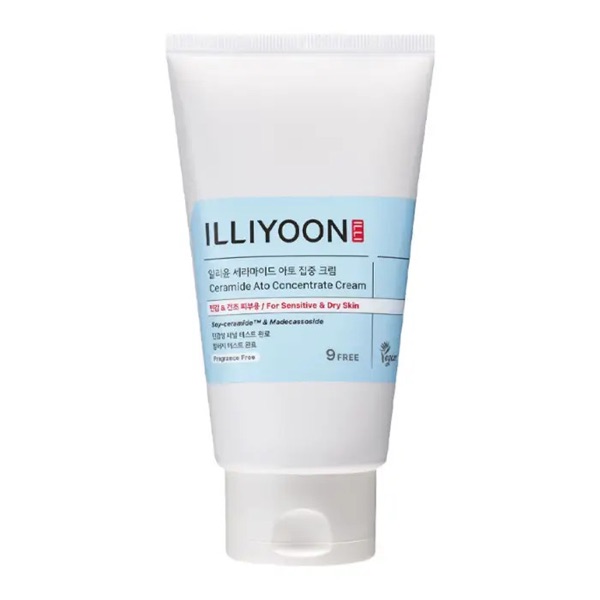 Best Budget
 Illiyoon Ceramide Ato Concentrate Cream
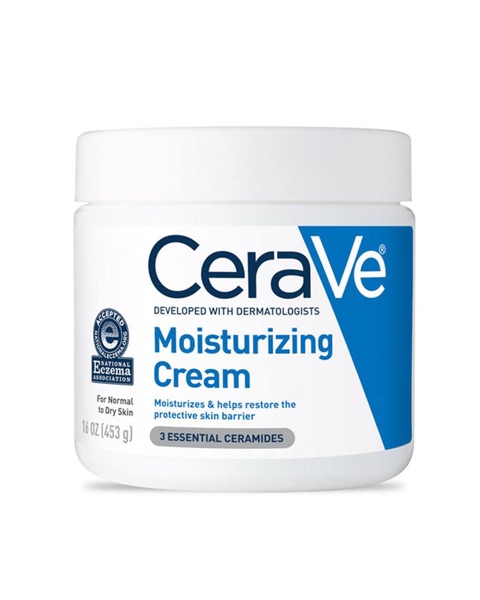 Western Classic
 CeraVe Moisturizing Cream
Aestura Atobarrier 365 delivers the full lipid trio (ceramide NP + cholesterol + fatty acids) in a capsule system; Illiyoon Ceramide Ato is a fragrance-free lamellar cream (ceramide CPP + cholesterol + phytosphingosine) at a fraction of the price; and CeraVe Moisturizing Cream is the Western-shelf benchmark, with ceramides NP, AP and EOP plus cholesterol. For the full line-up, see best Korean barrier creams and best ceramide serums & creams.
FAQ
What do ceramides do for your skin?
Ceramides are the lipids that hold your skin barrier together. Topically, they help seal a leaky, depleted barrier — reducing water loss, calming sensitivity and easing dryness — so skin feels less tight, flaky and reactive over time. They repair and protect rather than exfoliate or brighten.
Do topical ceramides actually work?
Yes, with a useful caveat. Ceramides are well-supported as barrier-supporting lipids, and they work best alongside cholesterol and free fatty acids — the other two lipids skin is built from. A complete lipid cream does more for a damaged barrier than ceramides alone.
What is the ideal ceramide ratio?
Research points to roughly a 3:1:1 ratio of ceramides to cholesterol to free fatty acids, which mirrors the skin’s own lipid matrix and best supports barrier recovery. You don’t need to measure this — just look for a cream that contains all three lipids, not ceramides on their own.
Who should use ceramides?
Anyone with dry, sensitive, eczema- or rosacea-prone skin, a compromised barrier, or skin irritated by actives like retinoids and exfoliating acids. Ceramides are gentle and suit almost every skin type, including oily skin (in a lighter gel-cream format).
What are the types of ceramides (NP, AP, EOP)?
They’re different ceramide molecules found naturally in skin. On INCI lists you’ll most often see ceramide NP (the most common), ceramide AP and ceramide EOP. You don’t need a specific one — what matters is that ceramides are present alongside cholesterol and fatty acids.
The bottom line
Ceramides are the barrier’s main building block — and the most reliable fix for dry, tight, reactive, over-stripped skin. The smartest move isn’t chasing a particular ceramide type or the highest count; it’s choosing a cream that pairs ceramides with cholesterol and fatty acids (roughly the 3:1:1 trio), then using it daily and giving it weeks. Start with the best Korean barrier creams.
Related
- Best K-Beauty Barrier Repair Creams for Sensitive Skin
- Best Ceramide Serums & Creams for Barrier Repair
- What Is Centella (Cica)? Benefits for Sensitive Skin
- What Is Snail Mucin? Benefits, Who It’s For, and the Caveats