What Is Snail Mucin? Benefits, Who It's For, and the Caveats


Snail mucin is the K-beauty hero that turned a strange-sounding ingredient into a global cult buy — and for plump, dewy hydration it earns the hype. On an ingredient list it appears as snail secretion filtrate (SSF), and it’s prized as a humectant that hydrates, soothes and adds glow. Here’s what it actually is, what it does (and doesn’t), who it suits, and the caveats most “miracle” coverage skips.
What snail mucin actually is
Snail secretion filtrate is the filtered secretion of snails, processed into a skincare ingredient. It’s a natural complex of glycoproteins, hyaluronic acid, naturally occurring glycolic acid, allantoin, peptides and antioxidants — which is why it behaves like several familiar ingredients at once: a humectant that pulls water in, a soother, and a mild support for skin repair.
What it does for skin
The dependable, here-and-now benefits:
- Hydration: it’s a humectant — skin looks plumper and dewier.
- Soothing: allantoin and its other compounds calm irritation.
- Smoothing over time: with regular use, many people see softer texture and faded post-blemish marks.
Be honest about the evidence, though: research on snail mucin is not extensive. A handful of studies suggest improved hydration, elasticity and post-procedure recovery, but much of the support is preclinical or anecdotal. So treat it as a well-tolerated comfort-and-hydration ingredient, not a clinically proven treatment. What it is not: an acne or wrinkle treatment, and not a barrier-rebuilding lipid like ceramides.
Who it’s for (and who should be careful)
Great for: normal, oily, combination and dehydrated skin wanting lightweight hydration; first-timers (it’s low-risk); skin recovering from post-blemish marks.
Be careful if:
- Fungal-acne-prone: snail secretion filtrate itself is fairly low-risk, but the sugars (and some snail product formulas) can trigger Malassezia for some — go light and patch-test. (See what is fungal acne.)
- Shellfish or dust-mite allergy: you’re more likely to react — patch-test on your inner arm first.
- Vegan/cruelty-free priorities: snail mucin isn’t vegan; collection practices vary by brand.
Essence vs cream: which format?
- An essence (e.g. COSRX Snail 96) is a lightweight hydrating layer you use before moisturizer — best for oily/combination skin and layering. It’s also generally fungal-acne-safe.
- A cream (e.g. COSRX Snail 92) puts snail mucin in a richer, sealing base that works as the moisturizer itself — better for dry skin. Note the COSRX 92 cream contains cetearyl alcohol, so it isn’t fungal-acne-safe.
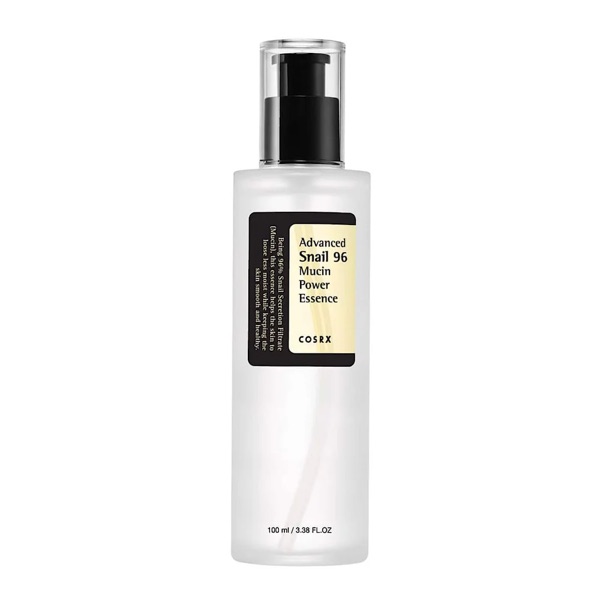 Best Snail Essence
 COSRX Advanced Snail 96 Mucin Power Essence
COSRX Advanced Snail 92 All-in-One Cream
For the full line-up (and the caveats per product), see our best snail mucin essences ranking.
How to use snail mucin
Apply an essence after cleansing and toner, on slightly damp skin, before your moisturizer — thin layers, let it absorb, then seal with a cream. Use a snail cream as the moisturizer itself if your skin is dry. Morning and night is fine. To avoid pilling (snail products contain carbomer and can ball up under sunscreen), keep layers thin and let each absorb.
How it compares to other hydrators
Snail mucin overlaps with hyaluronic acid and beta-glucan as a humectant, but it adds soothing and repair-supporting compounds. None is strictly “better” — many routines use them together. See snail mucin vs hyaluronic acid, and for ceramide-led barrier repair (a different job), COSRX snail mucin vs CeraVe.
FAQ
What does snail mucin do for your skin?
It hydrates, soothes and supports repair, thanks to glycoproteins, hyaluronic acid, allantoin and naturally occurring glycolic acid — giving a plumper, dewier, smoother look over time. It’s a comfort-and-hydration ingredient, not a treatment for acne or wrinkles.
Is snail mucin actually proven to work?
The dependable benefit is hydration and soothing. Some studies suggest improved hydration, elasticity and post-procedure recovery, but much of the evidence is preclinical or anecdotal, so judge it as a well-tolerated hydrator rather than a clinically proven active.
Is snail mucin cruelty-free?
Reputable brands collect snail secretion filtrate without harming the snails, but processes vary and it isn’t vegan. If that matters to you, look for brands that detail humane collection, or choose a vegan humectant like beta-glucan or hyaluronic acid.
Can snail mucin cause fungal acne or allergies?
Snail secretion filtrate itself is generally low-risk for fungal acne, but some products (and the sugars) can trigger it, and people with shellfish or dust-mite allergies are more likely to react. Patch-test first.
How do you use snail mucin?
Apply an essence after cleansing and toner, on damp skin, before moisturizer; use thin layers and seal with a cream. A snail cream can be the moisturizer itself. Morning and night.
The bottom line
Snail mucin is a brilliant, affordable hydrator-and-soother — not a miracle treatment. Set expectations honestly (hydration and comfort, limited clinical proof), pick the format for your skin (essence to layer, cream to seal), and patch-test if you’re fungal-acne-prone or allergic to shellfish. Start with the best snail mucin essences.