
Snail Mucin vs Hyaluronic Acid: Which Hydrator Wins?

Snail mucin and hyaluronic acid are the two hydrators everyone compares — but they’re not really rivals. Both pull water into the skin, yet only one of them also soothes, repairs and improves your skin’s own ability to hold moisture over time. So “which is better” usually comes down to whether you want fast plumping or longer-term skin health — and for a lot of people, the smartest answer is to use both.
Key takeaways
- Hyaluronic acid is the faster, purer hydrator — it floods skin with water for an immediate, bouncy plump.
- Snail mucin does more than hydrate — it also soothes, supports the barrier and improves skin’s long-term moisture retention, thanks to glycoproteins, peptides and allantoin.
- For instant plumping, HA wins; for overall skin health, snail wins.
- They layer beautifully — apply the thinner one first (usually HA on damp skin), then the other, and seal with a moisturizer.
- Mind the caveats: unsealed HA can backfire in dry air, and snail mucin can trigger fungal acne or allergies in some — patch-test.
The short answer
If you want quick, lightweight hydration and plumper-looking skin, hyaluronic acid is the efficient pick. If you want hydration plus soothing, repair and better texture over time, snail mucin does more. Neither is wrong — and layering both gives you immediate hydration from HA and lasting skin-health benefits from snail.
Snail mucin vs hyaluronic acid at a glance
| Snail mucin | Hyaluronic acid | |
|---|---|---|
| What it is | Snail secretion filtrate (glycoproteins, HA, peptides, allantoin, mild AHAs) | A humectant sugar molecule |
| How it hydrates | Slower, but improves long-term moisture retention | Fast, pulls water in for immediate plump |
| Extra benefits | Soothing, barrier support, texture, fading marks | Mainly hydration and plumping |
| Best for | Overall skin health, repair, sensitive/dehydrated | Quick hydration, fine-line plumping, all skin types |
| Texture | Light essence (or richer cream) | Light, watery serum |
| Caveats | Fungal acne / allergy risk for some | Can dehydrate in dry air if unsealed |
| Price | Affordable | Very affordable |
What each one does
Hyaluronic acid is a pure humectant: it grabs and holds a lot of water, plumping the skin fast and softening the look of fine lines. The catch is that in dry air, lighter HA can pull moisture from deeper skin if it isn’t sealed — so it works best on damp skin under a moisturizer.
Snail mucin (snail secretion filtrate) is a humectant too, but it brings a whole supporting cast: glycoproteins and peptides that aid repair, allantoin and antioxidants that soothe, and mild natural AHAs that smooth texture. It hydrates more slowly than HA, but it also helps your skin hold onto moisture better over time and calms irritation — which pure HA doesn’t do.
The picks
The snail mucin pick
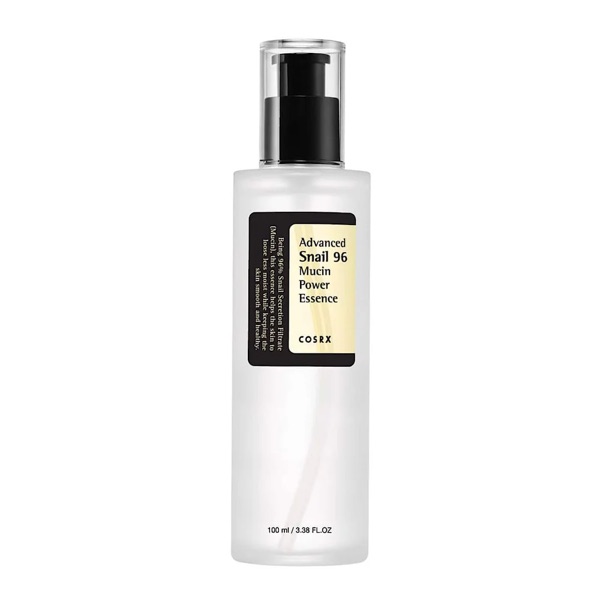 The Snail Mucin Pick
 COSRX Advanced Snail 96 Mucin Power Essence
The category benchmark: 96% snail secretion filtrate in a short, no-padding formula. A lightweight essence that hydrates, soothes and adds glow — and the easiest way to see what snail mucin can do. (More options in our best snail mucin essences ranking.)
The hyaluronic acid pick
The Ordinary Hyaluronic Acid 2% + B5
The benchmark HA serum — multiple molecular weights plus vitamin B5, at a price that’s hard to argue with. Apply it to damp skin and always seal it with a moisturizer, especially in dry or air-conditioned air.
Can you use snail mucin and hyaluronic acid together?
Yes — and they make a genuine power duo. Hyaluronic acid acts as the master hydrator, pulling water in for an immediate plump; snail mucin then follows as the repair crew, using that hydration to soothe, regenerate and smooth.
The order: go thinnest to thickest. For most people that means hyaluronic acid first, on damp skin or right after toner, then snail mucin to lock it in and add its benefits, then a moisturizer to seal. The one exception: if your snail product is a thin, watery essence and your HA is a denser serum, apply the lighter snail layer first. Either way, finish with a cream so the hydration doesn’t evaporate.
Which should you choose?
- You want fast, lightweight hydration and plumping → hyaluronic acid.
- You want hydration plus soothing, repair and better texture → snail mucin.
- Sensitive or dehydrated skin that wants to build resilience → snail mucin (patch-test first).
- You want the best of both → layer HA then snail, and seal.
Want other hydrator match-ups? See beta-glucan vs hyaluronic acid, and if you’re comparing snail to a classic ceramide cream, COSRX snail mucin vs CeraVe.
FAQ
Is snail mucin or hyaluronic acid better?
Neither is universally better. Hyaluronic acid is the more efficient pure hydrator for instant plumping; snail mucin hydrates more slowly but also soothes, repairs and improves long-term moisture retention. Pick by goal — or use both.
Can you use snail mucin and hyaluronic acid together?
Yes, they’re complementary. Layer hyaluronic acid first on damp skin, then snail mucin to lock in moisture and add repair and soothing benefits, and seal with a moisturizer.
Which goes first, snail mucin or hyaluronic acid?
Thinnest to thickest. Usually that’s hyaluronic acid first, then snail mucin — unless your snail essence is lighter than your HA serum, in which case apply the snail first.
Does snail mucin contain hyaluronic acid?
Snail secretion filtrate naturally contains hyaluronic acid along with glycoproteins, peptides and allantoin — which is part of why it hydrates and repairs at the same time. Many snail products also add extra HA.
Which is better for anti-aging?
Snail mucin has the edge for long-term skin health, thanks to its repair-supporting peptides and gentle resurfacing AHAs. Hyaluronic acid helps temporarily by plumping fine lines with hydration, but it doesn’t repair.
Are there any downsides?
Hyaluronic acid can draw moisture out of the skin in very dry air if it isn’t sealed with a moisturizer. Snail mucin can trigger fungal acne or allergic reactions in some people (especially those with dust-mite or shellfish allergies), so patch-test first.
The bottom line
This isn’t really a contest: hyaluronic acid is the quick, reliable hydrator, and snail mucin is the hydrator-plus that also soothes and repairs. If you only want one, choose by goal — HA for fast plumping, snail for overall skin health. But the best results usually come from layering both: HA to flood the skin with water, snail to lock it in and do the repair work, sealed under a good moisturizer.