What Is Panthenol (Vitamin B5) in Skincare?

Panthenol is the quiet workhorse of soothing skincare — a pro-vitamin B5 that hydrates, calms and supports the skin barrier, all while being one of the best-tolerated ingredients there is. It rarely gets headline billing, but it’s in a huge share of sensitive-skin and barrier formulas for good reason. Here’s what it actually does, who it suits, and how to use it.
Last verified: June 2026. Formulas change — we re-check periodically against the current INCI.
What panthenol is
Panthenol is pro-vitamin B5: once it’s on your skin, it converts to pantothenic acid (vitamin B5). On an ingredient list it appears as panthenol or D-panthenol, and it’s used as a multitasking hydrator and soother. It’s stable, plays nicely in almost any formula, and is gentle enough for the most reactive skin — which is why you’ll find it everywhere from toners and essences to creams and even sunscreens.
What panthenol does (three jobs)
Panthenol earns its place by doing three useful things at once:
| Job | What it means |
|---|---|
| Humectant | Draws and holds water in the skin, so it looks plumper and feels less tight |
| Soothing | Helps calm irritation, redness and stinging on stressed skin |
| Barrier support | Helps skin feel softer and more comfortable, supporting a healthy barrier |
That combination — hydrate + soothe + support — is exactly what irritated, dry or reactive skin needs, and it’s why panthenol so often appears alongside calming ingredients like centella.
The honest framing: panthenol is a comfort-and-hydration ingredient. It’s well-tolerated and genuinely soothing, but it’s not an active treatment — it won’t exfoliate, fade pigmentation or rebuild barrier lipids the way ceramides do. It makes skin more comfortable and supports the barrier rather than “treating” a condition. (This isn’t medical advice; for persistent irritation or a diagnosed skin condition, see a dermatologist.)
Why it’s so well tolerated
Panthenol’s biggest selling point is how gentle it is. It’s non-irritating, low-risk for almost all skin types (including sensitive and acne-prone), and doesn’t sting compromised skin. That’s why it’s a default soothing-and-hydrating ingredient in fragrance-free, sensitive-skin lines — and a common buffer alongside strong actives, where it helps offset the dryness and irritation that retinoids and acids can cause.
Who it’s for
Great for: essentially everyone, but especially sensitive, reactive and redness-prone skin; dry or dehydrated skin wanting lightweight hydration; acne-prone skin (it soothes without being heavy); and anyone using strong actives who needs a calming, hydrating partner.
Who can skip seeking it out: there’s no real “wrong” skin type for panthenol — it’s more often a supporting ingredient than a reason to buy a product on its own. Look at the whole formula rather than chasing panthenol specifically.
Where you’ll find panthenol (often with cica)
Panthenol rarely works alone — it’s a team player. It’s frequently paired with:
- Centella (cica): the classic soothing duo — panthenol hydrates while centella calms redness. (See what is centella (cica).)
- Ceramides: hydration and soothing alongside barrier-lipid rebuilding. (See what are ceramides.)
- Hyaluronic acid: layered humectants for plumper hydration.
- Niacinamide: soothing plus tone and barrier support.
You’ll see it across toners, essences, serums, moisturizers and sunscreens — usually doing its quiet hydrating-and-soothing job in the background.
How to use panthenol
- Where in the routine: wherever it appears — a panthenol toner or essence early, a panthenol cream as your moisturizer.
- When: morning and/or night; gentle enough for daily, twice-daily use.
- With actives: apply your retinoid or acid, then a panthenol-rich soothing layer to calm and hydrate.
- Consistency: hydration and comfort show fairly quickly; keep it up for lasting calm.
Panthenol-led K-beauty picks worth knowing
Two well-formulated, gentle options that put panthenol front and centre (paired with cica):
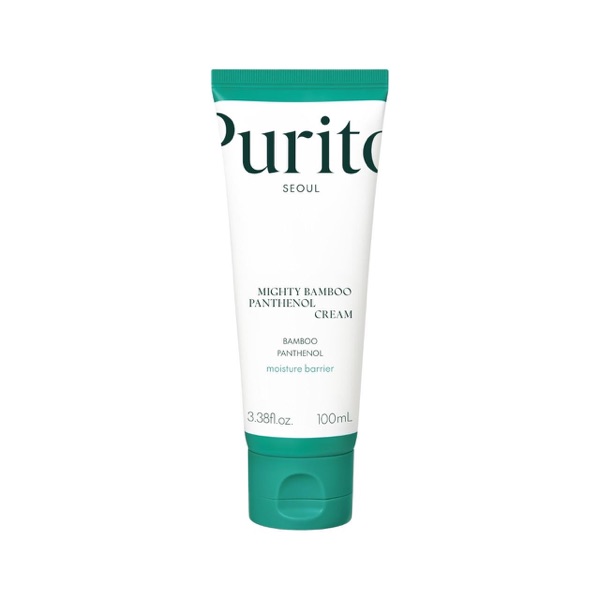 High Panthenol (10%)
 Purito Seoul Mighty Bamboo Panthenol Cream
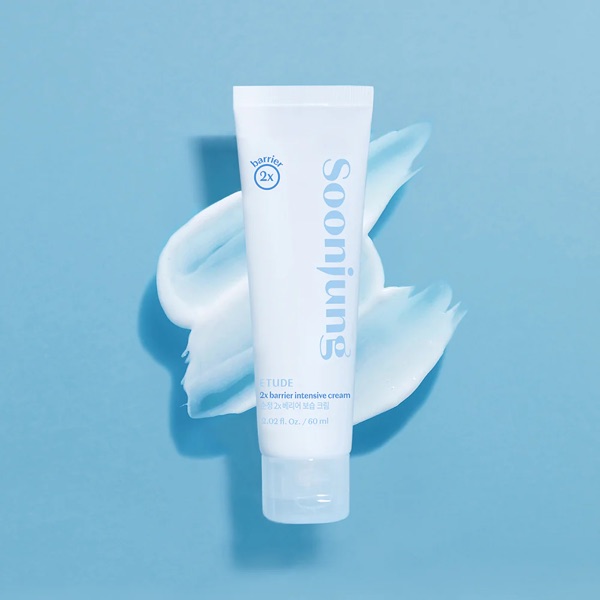 Most Minimal
 Etude SoonJung 2x Barrier Intensive Cream
Purito Mighty Bamboo is a cooling gel-cream built around a high 10% panthenol plus centella (madecassoside, asiaticoside) — aimed at redness on reactive, combination skin. Etude SoonJung 2x Barrier keeps it minimal, leaning on just panthenol and madecassoside for very reactive, fragrance-sensitive skin. For more soothing options, see best cica & centella creams and the best Korean barrier creams.
FAQ
What does panthenol do for your skin?
Panthenol is a pro-vitamin B5 that hydrates (it’s a humectant), soothes irritation and supports the skin barrier. It draws and holds water, helps calm redness and stinging, and leaves skin feeling softer and more comfortable — which is why it’s in so many sensitive-skin formulas.
Is panthenol the same as vitamin B5?
Effectively, yes. Panthenol is “pro-vitamin B5” — once it’s on the skin, it converts to pantothenic acid (vitamin B5). On ingredient lists it appears as panthenol (or D-panthenol), and it’s valued for hydration, soothing and barrier support.
Is panthenol good for sensitive or acne-prone skin?
Yes. Panthenol is one of the best-tolerated skincare ingredients — gentle, non-irritating and suitable for sensitive, reactive and acne-prone skin. It soothes and hydrates without being heavy, and it’s a common buffer alongside stronger actives.
Can you use panthenol every day?
Yes. Panthenol is gentle enough for twice-daily use and pairs safely with almost everything, including actives like retinoids and exfoliating acids — where it helps offset dryness and irritation. It suits morning and evening routines.
What ingredients pair well with panthenol?
Panthenol plays well with everyone. It’s often combined with centella (cica), ceramides, hyaluronic acid and niacinamide for soothing and barrier support, and it’s a useful companion to strong actives because it calms and hydrates the skin they can dry out.
The bottom line
Panthenol (pro-vitamin B5) is a gentle, do-no-harm hydrator and soother that supports the barrier — rarely the star, but a reliable supporting player in sensitive-skin and barrier formulas, and a perfect buffer alongside actives. Don’t chase it on its own; look for it inside a well-built formula (often paired with cica). Start with the best cica & centella creams or the best Korean barrier creams.
Related
- What Is Centella (Cica)? Benefits for Sensitive Skin
- What Are Ceramides? How They Repair the Skin Barrier
- Best Cica / Centella Creams for Redness & Reactive Skin
- Best K-Beauty Barrier Repair Creams for Sensitive Skin