
Peptides vs Hyaluronic Acid: What's the Difference?

This one isn’t really a contest — it’s a common mix-up. Peptides and hyaluronic acid do completely different jobs: peptides signal your skin to build collagen and firm over months, while hyaluronic acid is a humectant that hydrates and plumps instantly. One works on structure long-term, the other on moisture right now. The practical answer for almost everyone is to use both. Here’s what each does and how they fit together.
Last verified: July 2026.
TL;DR
- Peptides = long-term collagen and firmness support (anti-aging).
- Hyaluronic acid = instant hydration and plumping (moisture).
- Not competitors — they solve different problems and layer perfectly.
- Use both: peptide serum first, then hyaluronic acid, then moisturizer.
At a glance
| Peptides | Hyaluronic acid | |
|---|---|---|
| What it is | Short amino-acid chains (signals) | Humectant that binds water |
| Main job | Collagen, firmness, repair | Hydration, plumpness |
| Timeframe | Gradual, over months | Immediate |
| Anti-aging? | Yes, structural/supportive | Indirect (temporary plumping) |
| Irritation | Low | Very low |
| Best for | Firmness, fine lines over time | Dehydration, instant plump |
What each one is
Peptides are short chains of amino acids that act as messengers, telling skin to produce collagen (signal peptides), repair (copper peptides) or relax expression lines. Their benefit is structural and gradual — firmer, smoother skin over months. (More: what are peptides.)
Hyaluronic acid (HA) is a humectant that can hold many times its weight in water. It pulls moisture into the upper layers of skin for immediate hydration and a plumper look. It doesn’t build collagen or change skin structure — it’s about water, not architecture.
How they differ
Mechanism: peptides signal long-term change; HA holds water for instant effect. Timeframe: peptides are a months-long investment; HA works the moment you apply it. Anti-aging: peptides genuinely support the collagen that keeps skin firm, while HA’s “anti-aging” is really temporary plumping that makes fine lines look softer when skin is well-hydrated. Different tools, different jobs — which is why comparing them head-to-head misses the point.
Should you use both?
Yes — this is one of the easiest, most complementary pairings in skincare, with no conflict. HA’s hydration even creates a comfortable base for other actives. Simple layering:
- Cleanse and tone.
- Peptide serum (thinner, treatment-focused, goes first).
- Hyaluronic acid (or a very watery HA essence on damp skin).
- Moisturizer to seal everything in, then SPF in the morning.
Or just pick a peptide serum that already contains HA and skip a step.
Medik8 Liquid Peptides
 Best Hydrating (Triple HA)
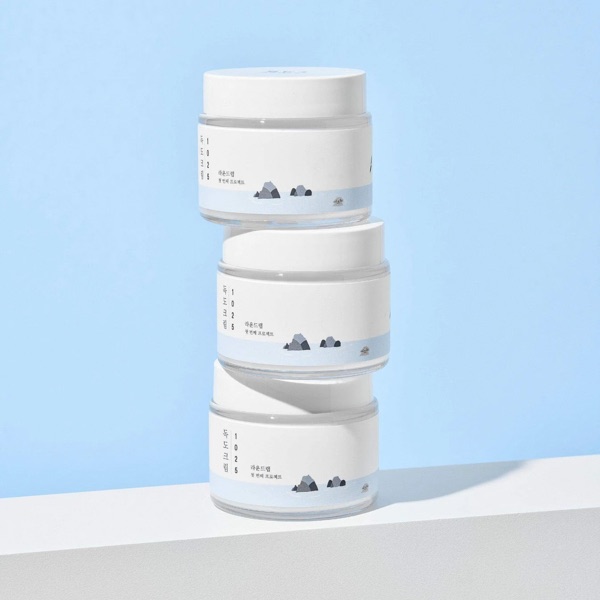
 Round Lab 1025 Dokdo Cream
Do you need a separate HA step?
Not always. Many peptide serums (including multi-peptide formulas) already include hyaluronic acid or other humectants, which covers basic hydration. A dedicated HA product is optional — genuinely useful if your skin is dehydrated or you want extra plumping, but not essential if your routine already hydrates well. Don’t buy an extra step just because the internet said to.
What neither will do
Neither is a barrier-repair lipid — for a damaged barrier you need ceramides and a good cream. Neither replaces sunscreen, the single most important anti-aging step. And HA in a very dry climate can occasionally feel tight if not sealed with moisturizer — always layer a cream on top. Curious how HA compares to other hydrators? See beta-glucan vs hyaluronic acid and snail mucin vs hyaluronic acid.
FAQ
What’s the difference between peptides and hyaluronic acid?
Peptides are short amino-acid chains that signal skin to build collagen and repair, giving gradual firmness over months. Hyaluronic acid is a humectant that binds water for instant hydration and plumpness. Peptides work long-term on structure; hyaluronic acid works immediately on moisture. They do different jobs.
Are peptides or hyaluronic acid better for anti-aging?
Peptides are the more anti-aging-oriented of the two, since they support collagen and firmness over time. Hyaluronic acid doesn’t build collagen — it hydrates, which makes fine lines look temporarily plumper but isn’t structural anti-aging. For long-term results, peptides; for instant plumping, hyaluronic acid. Both help.
Can you use peptides and hyaluronic acid together?
Yes — they’re one of the easiest, most complementary pairings. Apply the peptide serum first, then hyaluronic acid, or use a product that contains both, and seal with moisturizer. There’s no conflict; hyaluronic acid’s hydration actually supports a comfortable environment for other actives.
Which should you apply first, peptides or hyaluronic acid?
Generally apply the peptide serum before hyaluronic acid if they’re separate products — thinner, treatment-focused serums go first, then humectants, then moisturizer to lock everything in. If your hyaluronic acid is a very watery essence, you can also apply it first on damp skin; both orders work fine in practice.
Do you still need hyaluronic acid if your peptide serum has it?
Not necessarily. Many peptide serums already include hyaluronic acid or other humectants, which covers basic hydration. A separate hyaluronic acid step is optional — useful if your skin is dehydrated or you want extra plumping, but not essential if your routine already hydrates well.
This article is general information, not medical advice. For persistent concerns, see a dermatologist. Sources: 9 peptide serums derms recommend in 2026 (Who What Wear), Copper peptides vs other skincare peptides (Glimmer Goddess), and Best Korean peptide serums for anti-aging 2026 (Korean Skincare Coach).