Glass Skin 2.0: The Best Barrier-First Products (2026)

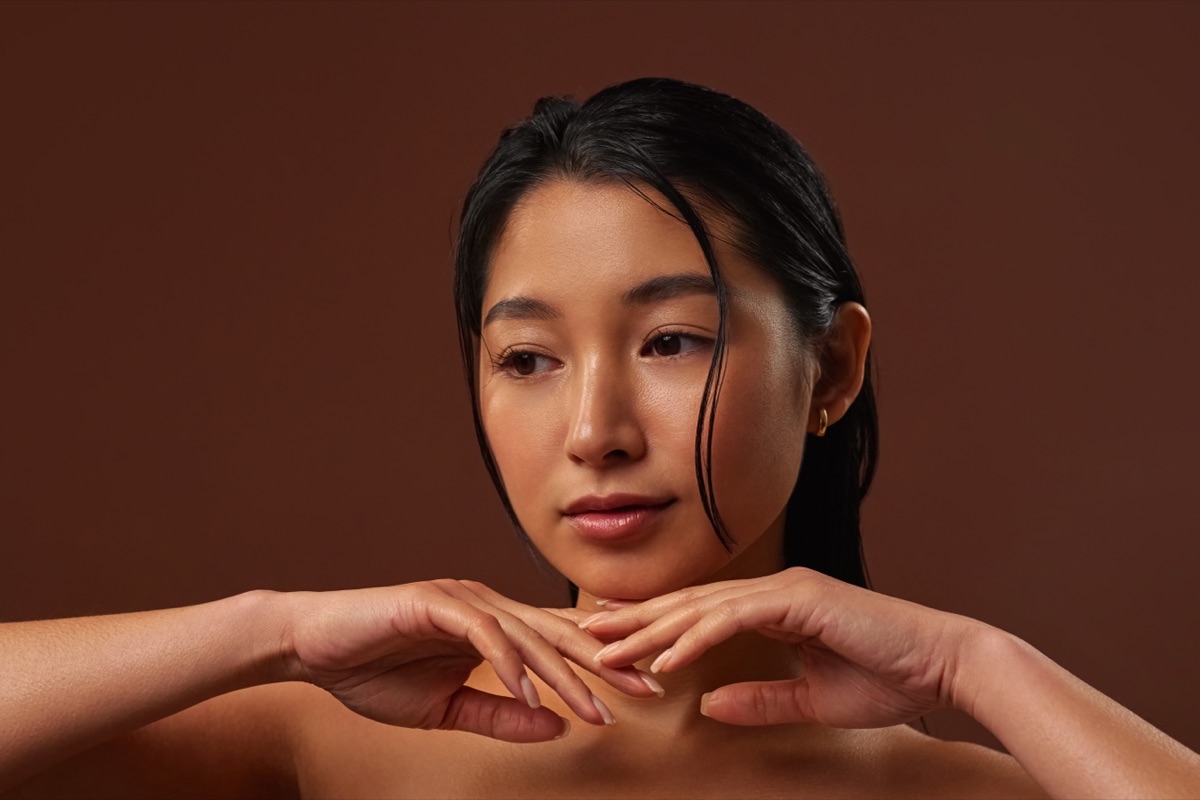
Glass skin is back for 2026, but it’s grown up. The first wave was about layering endless toners and snail essence — and piling on highlighter — to fake a glossy finish. “Glass Skin 2.0” flips that: the glow is treated as an output of a genuinely healthy, well-hydrated barrier, not a look you stack on top. Skincare-driven radiance, not luminizer.
That’s good news if you have sensitive skin, because the 2.0 approach is gentler and simpler. Here’s what the term actually means and the barrier-first products that get you there.
Key takeaways
- Glass Skin 2.0 is barrier-first. The shift in 2026 is from surface gloss and heavy layering to lit-from-within glow built on a healthy barrier.
- It’s skinimalism, not 10 steps. Three to five strategic, hydrating steps beat a long routine.
- You can’t fake it on a damaged barrier. If your skin is tight, flaky or reactive, repair first — glow follows.
- The formula is simple: gentle cleanse, hydrating layers, a dewy barrier cream, and daily SPF.
- Consistency beats novelty. Constant product-switching is one of the biggest triggers for sensitive skin — pick a routine and stick with it.
What “Glass Skin 2.0” actually means
The original glass-skin trend chased a high-shine finish with heavy occlusives, stacked toners and a lot of highlighter. It looked great in photos but often felt heavy and did nothing for the skin underneath.
The 2026 version — also called “post-glass skin” — is a philosophical shift toward barrier integrity, resilience and “slow aging.” The luminosity now comes from moisture retention and a strong barrier reflecting light naturally, not from layered luminizers. In practice that means fewer, smarter products: hydration that sinks in, a barrier cream that holds it there, and protection on top.
So Glass Skin 2.0 isn’t a new set of tricks — it’s the realisation that the glow people want is just what healthy, well-hydrated skin looks like.
The barrier-first glass skin routine
Five strategic steps, in order. Each one is gentle enough for sensitive skin and works by building the barrier rather than coating it.
Step 1 — Hydrating, calming toner
 Step 1 · Calming Base
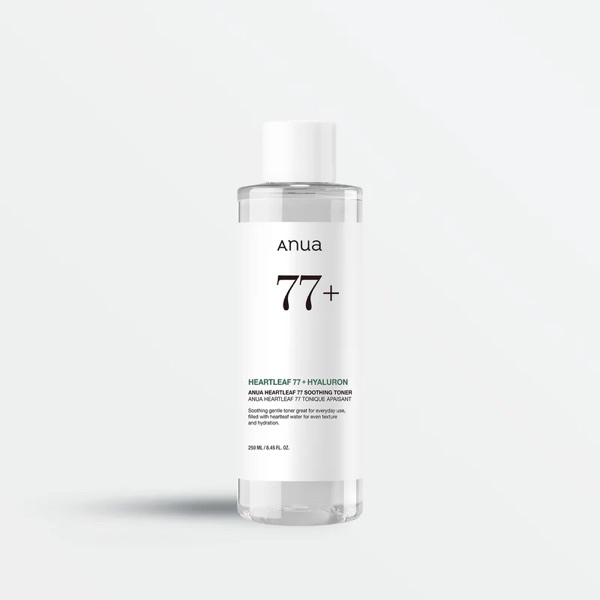
 Anua Heartleaf 77% Soothing Toner
Start with a fragrance-free, soothing toner on damp skin. This is the first hydration layer and it preps everything that follows — no astringent, alcohol-heavy “toner” required.
Step 2 — Hydration essence (the glow layer)
 Step 2 · Hydration Essence
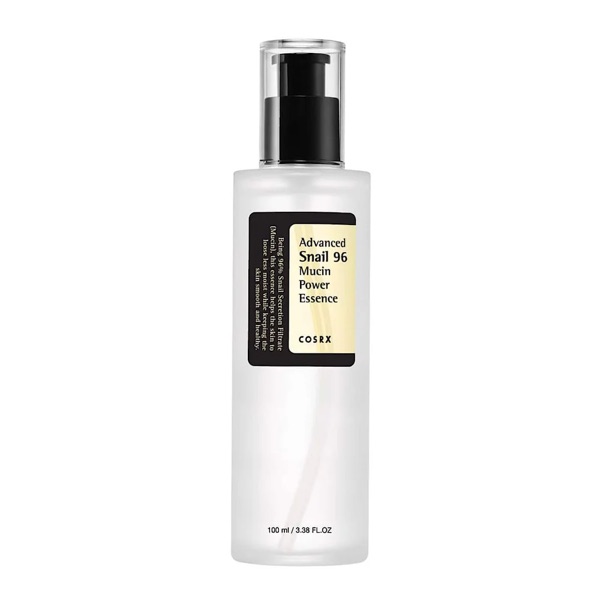
 COSRX Advanced Snail 96 Mucin Power Essence
The classic glass-skin glow step, done the 2.0 way: a lightweight essence that floods skin with hydration and supports repair, rather than just sitting on the surface for shine.
Step 3 — Plumping serum
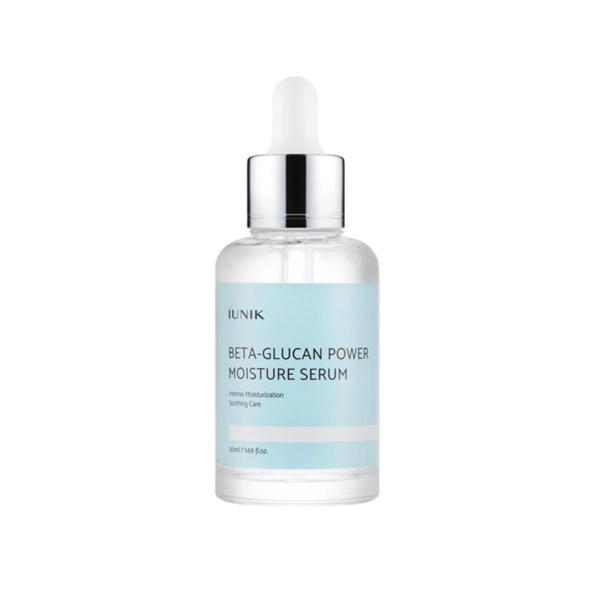 Step 3 · Plump & Bounce
 iUNIK Beta Glucan Power Moisture Serum
Beta-glucan gives that bouncy, plump look that reads as “glass” — and it soothes while it hydrates. This is the 2.0 upgrade over piling on more toner layers.
Step 4 — Dewy barrier moisturizer
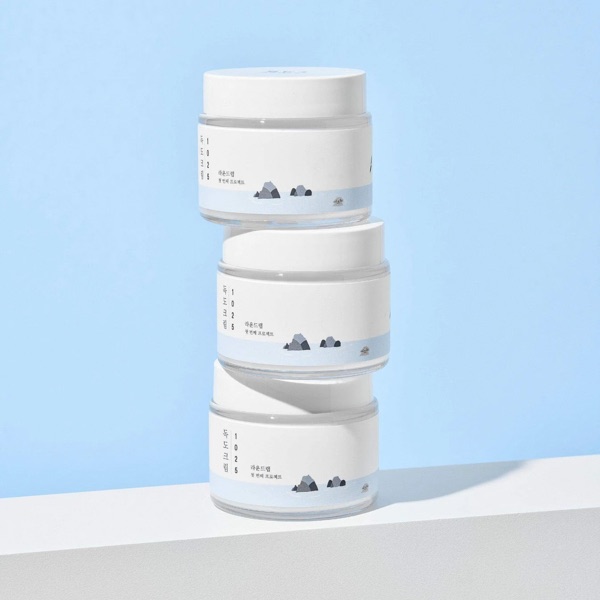 Step 4 · Seal the Glow
 Round Lab 1025 Dokdo Cream
A lightweight, dewy cream with ceramides and hyaluronic acid seals in everything above and keeps the surface smooth and reflective — without the heaviness of old-school occlusive layering.
Step 5 — Glow-giving SPF
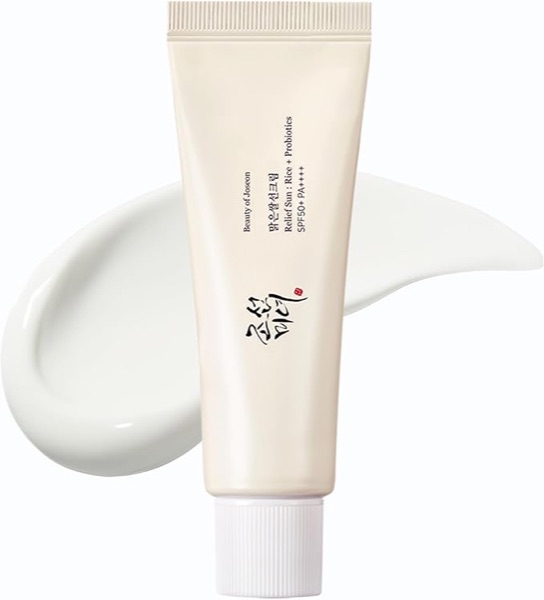 Step 5 · Protect & Glow
 Beauty of Joseon Relief Sun: Rice + Probiotics SPF50+ PA++++
Sun protection is non-negotiable for glass skin — UV is what dulls and roughens skin over time. This fragrance-free SPF leaves a dewy, lit-from-within finish, so it doubles as your final glow step every morning.
Glass skin myths — and the 2.0 truth
- “It’s about layering 7+ products.” No — skinimalism won. Three to five strategic steps outperform a long routine, especially on sensitive skin.
- “You can force it on any skin.” If your barrier is damaged, no amount of essence will give you glass skin. Repair the barrier first; the glow is the result, not the route.
- “It’s a makeup or filter look.” Real glass skin is hydration and barrier health reflecting light — not highlighter, and not a face-tuned photo.
- “More actives = more glow.” Over-exfoliating and stacking strong actives damages the barrier and kills the glow. Gentle and consistent wins.
How to adapt it to your skin
- Sensitive or reactive skin → keep all five steps fragrance-free and introduce one product at a time.
- Oily / combination skin → lighter layers: the essence and a gel-cream are plenty; you may skip the richer steps.
- Dry skin → add a ceramide serum before the cream for extra repair.
If your barrier isn’t there yet, start with the foundation: our best K-beauty barrier repair creams, a gentle low-pH cleanser, and the full fragrance-free routine for sensitive skin. Glow is what you get once that’s in place.
FAQ
What is Glass Skin 2.0?
It’s the 2026 evolution of the glass-skin trend — sometimes called “post-glass skin” — that prioritises a healthy, resilient skin barrier over surface gloss. The glow comes from hydration and barrier health, not heavy layering or highlighter.
How do you get glass skin with sensitive skin?
Keep it gentle and simple: a mild low-pH cleanser, hydrating layers (toner, essence, a soothing serum), a dewy barrier cream, and daily SPF — all fragrance-free. Sensitive skin often responds especially well to this hydration-and-barrier focus.
How long does it take to get glass skin?
Hydration can improve within days, while smoother texture and lasting radiance usually take a few weeks of consistency as the barrier strengthens. It’s the result of steady care, not a one-night routine.
Is glass skin just a filter or makeup look?
No. Real glass skin is what healthy, well-hydrated skin looks like as it reflects light. Highlighter can mimic it briefly, but the 2.0 approach is about building it through skincare.
Can you get glass skin if your barrier is damaged?
Not until you repair it. A compromised barrier loses water and looks dull and flaky no matter how many layers you apply. Fix the barrier first with gentle, ceramide-rich care, and the glow follows.
Glass skin or “glazed donut” — what’s the difference?
They describe the same dewy, luminous finish; “glazed donut” is just the more recent nickname. Both are best achieved the 2.0 way — through hydration and a strong barrier rather than heavy product layering.
The bottom line
Glass Skin 2.0 is the trend finally catching up with what dermatologists have always said: a real glow is a sign of a healthy, hydrated barrier, not a stack of products or a highlighter. Keep the routine short and fragrance-free, protect with SPF, repair the barrier first if it needs it — and let the glass-skin finish be the by-product of skin that’s genuinely well.