
Double Cleansing: What It Is and How to Do It


Double cleansing is a two-step method — an oil-based cleanser first to melt off sunscreen, makeup and sebum, then a water-based cleanser to clean the skin underneath. It’s a cornerstone of K-beauty routines, and the logic is simple: oil dissolves oil-based grime that water alone can’t shift, so your second cleanse works without scrubbing. But it isn’t for everyone, every night. Here’s exactly when to do it, when to skip it, how, and the mistakes to avoid.
Last verified: June 2026.
What double cleansing actually is
It’s two cleanses, in order, each doing a different job:
- First cleanse — oil-based (an oil or balm cleanser). Oil dissolves oil. This step melts off the things water can’t touch: sunscreen, makeup, and the day’s sebum and pollution clinging to them.
- Second cleanse — water-based (a gel or foam). This removes sweat, leftover residue and water-soluble grime, leaving skin properly clean.
The point isn’t to clean twice as hard. It’s to use the right solvent for each kind of grime — so neither step has to be aggressive. Trying to scrub off water-resistant sunscreen with a foaming wash alone is what leads to over-cleansing and a stripped barrier. An oil cleanse does that work gently.
Who actually needs to double cleanse
You should double cleanse (at night) if you:
- Wear sunscreen — especially water-resistant SPF, which is designed to cling to skin. Since you should wear SPF daily, this alone is a solid reason.
- Wear makeup, particularly long-wear or waterproof formulas.
- Have oily or congestion-prone skin that builds up sebum and feels grimy by evening.
- Live somewhere polluted or sweat a lot through the day.
You can usually skip it if you:
- Wear no makeup and no sunscreen and your skin is dry or sensitive — a single gentle low-pH cleanse is plenty.
- Have a reactive, easily-stripped barrier — over-cleansing is a bigger risk for you than under-cleansing.
A useful rule of thumb: double cleanse to remove things; single cleanse to refresh. If you’ve got SPF or makeup to take off, two steps. If you’re just rinsing away a bare-faced day, one is enough.
| Your day | Evening routine |
|---|---|
| SPF + makeup | Oil cleanse, then water-based cleanse |
| SPF, no makeup | Oil cleanse, then water-based cleanse (SPF clings) |
| Oily skin, bare-faced | Optional oil cleanse, then water-based cleanse |
| Dry/sensitive, bare-faced, no SPF | Single low-pH cleanse |
How to double cleanse, step by step
- Start with dry hands and a dry face. Oil cleansers work best on dry skin — water gets in the way of oil dissolving oil.
- Massage in the oil or balm cleanser for 30–60 seconds, over makeup and sunscreen. Be gentle around the eyes.
- Add a little water to emulsify. Most oil cleansers turn milky when you wet your hands and keep massaging — that’s the signal it’s lifting and ready to rinse.
- Rinse with lukewarm water. Never hot — heat is drying.
- Follow with your water-based cleanser (a low-pH gel or creamy foam). Massage briefly, then rinse.
- Pat — don’t rub — dry, and move straight into the rest of your routine while skin is slightly damp.
The whole thing takes about two minutes. Skin should feel clean and comfortable, not tight or squeaky.
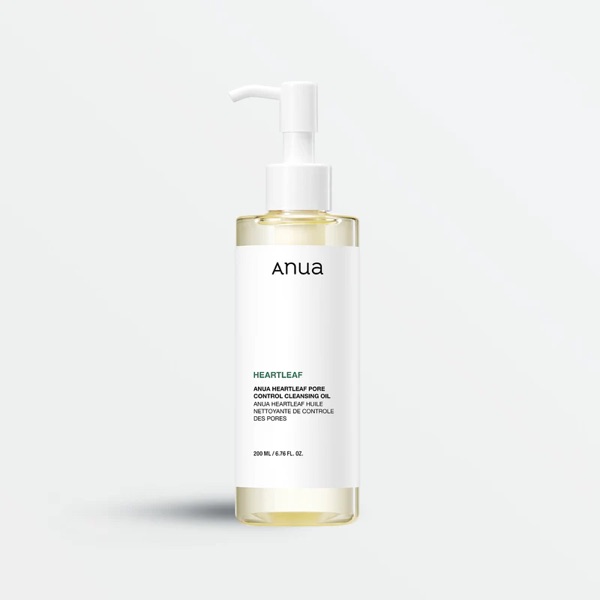 Best First Cleanse (Oil)
 Anua Heartleaf Pore Control Cleansing Oil
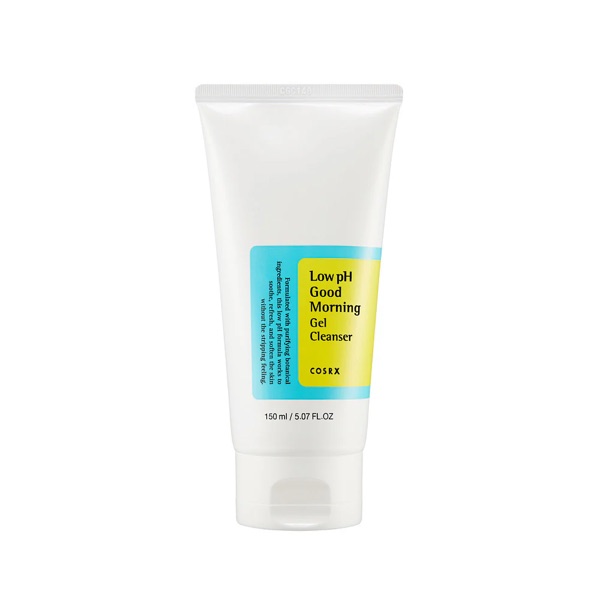 Best Second Cleanse (Low-pH Gel)
 COSRX Low pH Good Morning Gel Cleanser
For a full line-up of gentle second cleansers across skin types, see our best gentle Korean cleansers for a compromised barrier.
Common double-cleansing mistakes
- Using a harsh, high-pH second cleanser. This is the big one. The method is gentle; a stripping foaming wash isn’t. Pair your oil cleanse with a low-pH water-based cleanser so you don’t undo the gentleness.
- Double cleansing in the morning. You didn’t wear makeup or SPF overnight — mornings need a single light cleanse, or just water for reactive skin.
- Applying oil cleanser to wet skin. It won’t break down makeup and SPF as well; start dry.
- Skipping the emulsify step. If you don’t add water and keep massaging, the oil (and the grime it’s holding) can leave a film. Emulsify until milky, then rinse thoroughly.
- Scrubbing or using hot water. Both irritate and strip. Gentle massage, lukewarm water, pat dry.
- Over-doing it on dry or sensitive skin. If your barrier is struggling, double cleanse only on the nights you actually wore SPF or makeup — and consider a creamy second cleanser instead of a gel.
Oil cleanser vs balm vs micellar water
All three can be a “first cleanse” — pick by preference and skin type:
- Cleansing oil — spreads easily, melts makeup and SPF fast, rinses clean once emulsified. A good all-rounder (like the heartleaf oil above).
- Cleansing balm — a solid that melts on contact; can feel more cushioning, and travels without spilling.
- Micellar water — gentler and no-rinse, but generally less effective at removing heavy or water-resistant SPF and makeup; better for light days or as a quick option.
For most people removing daily sunscreen, an oil or balm is the more thorough first cleanse.
Where it fits in your routine
Double cleansing is the first step of an evening routine. After your second cleanse, on slightly damp skin, continue with a hydrating toner or essence, treatments, then a ceramide serum and a barrier cream to seal everything in. See the full sensitive-skin order in our fragrance-free Korean routine.
FAQ
What is double cleansing?
Double cleansing is a two-step method: first an oil-based cleanser (oil or balm) to melt off sunscreen, makeup and sebum, then a water-based cleanser (a gel or foam) to clean the skin underneath. The logic is simple — oil dissolves oil-based grime that water can’t, so the second cleanse can do its job without scrubbing.
Who actually needs to double cleanse?
Anyone wearing sunscreen (especially water-resistant SPF), makeup, or long-wear products, and people with oily or congestion-prone skin who build up sebum through the day. If you wear SPF daily — which you should — that alone is a good reason to double cleanse at night.
Do I need to double cleanse if I don’t wear makeup?
Often no. If you wear no makeup and no sunscreen and your skin is dry or sensitive, a single gentle low-pH cleanse at night is usually plenty. The exception is SPF: sunscreen is designed to cling to skin, so even bare-faced-but-sunscreened days benefit from an oil cleanse first.
Should I double cleanse in the morning?
No — mornings don’t need it. You haven’t worn makeup or SPF overnight, so a single low-pH cleanse (or even just water for dry, reactive skin) is enough. Double cleansing is an evening routine for removing the day.
Will double cleansing dry out or damage my skin?
It shouldn’t, if you use gentle products and don’t over-do it. The risk comes from harsh, high-pH second cleansers or scrubbing — not from the two-step method itself. Use a low-pH water-based cleanser, lukewarm water and a light touch, and double cleanse only at night when you actually need it.
The bottom line
Double cleansing isn’t about washing harder — it’s about using oil to remove oil-based grime (SPF, makeup, sebum) so your water-based cleanse can stay gentle. Do it at night when you’ve worn sunscreen or makeup; skip it in the morning and on bare-faced dry-skin days. Pair an oil or balm cleanse with a low-pH second cleanser, use lukewarm water and a light touch, and you get a thorough clean without ever stripping your barrier.
Related
- Low-pH Cleansing Explained (and Why It Matters)
- Best Gentle Korean Cleansers for a Compromised Barrier (Low-pH)
- COSRX Low pH vs Beauty of Joseon Green Plum Cleanser
- The Fragrance-Free Korean Skincare Routine for Sensitive Skin
- Best K-Beauty Barrier Repair Creams for Sensitive Skin